
Hyundai Ioniq 5 N: A High-Performance EV Benchmark Shaping Future Porsche Electrification
In the fast-evolving landscape of electric performance vehicles, a surprising benchmark has emerged, one that ha
 s genuinely captivated the attention of automotive royalty. The Hyundai Ioniq 5 N, a machine previously seen by some as an unlikely contender for serious performance accolades, has not only impressed discerning critics but has reportedly become a significant point of study for engineers at Porsche, particularly concerning its innovative approach to simulating the visceral sensations of internal combustion engine (ICE) vehicles. This burgeoning electric vehicle (EV) revolution is not merely about raw power and efficiency; it’s about recreating the soul and engagement that enthusiasts have cherished for decades.
Frank Moser, the Vice President overseeing Porsche’s iconic 718 and 911 model lines, is said to have described the Hyundai Ioniq 5 N as an “eye-opening” revelation for Porsche’s engineering team. This sentiment, coming from a brand synonymous with driving purity and track-honed precision, carries substantial weight. It suggests that Hyundai’s N division has achieved a level of simulated driving dynamism that transcends mere novelty, pushing the boundaries of what many believed was possible or even desirable in an electric performance car. The focus of Moser’s praise appears to be centered on the Ioniq 5 N’s meticulously crafted virtual gearbox and its impressively rendered internal combustion engine sound simulation. These aren’t just superficial additions; they represent a sophisticated effort to bridge the experiential gap between traditional gasoline-powered sports cars and their silent, instant-torque electric counterparts.
For years, the debate surrounding electric performance has often revolved around the perceived loss of auditory and tactile feedback. The immediate torque and linear acceleration of EVs, while undeniably thrilling, can sometimes feel detached from the traditional sensory symphony of a roaring engine, the satisfying clunk of a gear change, or the subtle vibrations that communicate the car’s mechanical orchestra. The Hyundai Ioniq 5 N, through its advanced simulation technologies, appears to have directly addressed this challenge, offering drivers a more engaging and familiar experience. This is particularly relevant as manufacturers like Porsche navigate the complex transition to electrification, seeking to retain the emotional connection that has defined their marques for generations. The prospect of a future Porsche 718 EV featuring similar simulated shifting and exhaust notes now seems not just plausible, but probable, given Moser’s firsthand observations.
While some online forums may still cling to outdated perceptions of Hyundai as a budget-friendly, no-frills automaker, a more nuanced understanding of the brand’s trajectory reveals a dramatic and impressive ascent in recent years. This transformation is particularly evident in their electric vehicle offerings, with the Ioniq 5 N standing as a shining example. The vehicle has clearly left a profound impression on the esteemed engineers at Porsche, as reported by the Australian publication Drive. The fact that a high-performance EV from a mainstream manufacturer can command such respect from a luxury performance titan like Porsche underscores a significant shift in the automotive industry. It’s a testament to the relentless pursuit of innovation and performance excellence that Hyundai has embraced.
Speaking directly with Drive, Frank Moser articulated the impact of the Ioniq 5 N, not just as a novel piece of engineering, but as a genuine learning opportunity for the Porsche brand. He referred to it as an “eye-opening” experience, indicating that the engineers involved dedicated significant time to thoroughly understanding its capabilities and the technology behind its simulated driving dynamics. Moser’s admiration for the faux shifting and simulated exhaust note suggests that these features are executed with a level of sophistication that resonates with the core principles of driver engagement. “We learnt a lot from that [Ioniq 5 N],” Moser stated, emphasizing the depth of their analysis. “I drove it several times. They made it really, really good.” This high praise from a senior Porsche executive involved in developing some of the world’s most celebrated sports cars is a powerful endorsement of Hyundai’s engineering prowess.
The impact of the Ioniq 5 N extends beyond Moser. He revealed that Andreas Preuninger, the influential head of Porsche’s GT and RS models – divisions renowned for pushing the boundaries of automotive performance – was equally captivated, despite initial skepticism. Moser recounted how he invited Preuninger to experience the Ioniq 5 N firsthand. Upon activating the car’s “N Grin Boost” function, which provides an additional surge of performance and intensifies the simulated feedback, Preuninger reportedly exclaimed, “Wow.” This reaction from a seasoned performance engineer, accustomed to the raw intensity of Porsche’s most extreme machines, highlights the Ioniq 5 N’s success in delivering a truly impressive and surprising driving sensation. It signals that Hyundai has managed to tap into something fundamentally compelling about the driving experience, even within the confines of electric propulsion.
s genuinely captivated the attention of automotive royalty. The Hyundai Ioniq 5 N, a machine previously seen by some as an unlikely contender for serious performance accolades, has not only impressed discerning critics but has reportedly become a significant point of study for engineers at Porsche, particularly concerning its innovative approach to simulating the visceral sensations of internal combustion engine (ICE) vehicles. This burgeoning electric vehicle (EV) revolution is not merely about raw power and efficiency; it’s about recreating the soul and engagement that enthusiasts have cherished for decades.
Frank Moser, the Vice President overseeing Porsche’s iconic 718 and 911 model lines, is said to have described the Hyundai Ioniq 5 N as an “eye-opening” revelation for Porsche’s engineering team. This sentiment, coming from a brand synonymous with driving purity and track-honed precision, carries substantial weight. It suggests that Hyundai’s N division has achieved a level of simulated driving dynamism that transcends mere novelty, pushing the boundaries of what many believed was possible or even desirable in an electric performance car. The focus of Moser’s praise appears to be centered on the Ioniq 5 N’s meticulously crafted virtual gearbox and its impressively rendered internal combustion engine sound simulation. These aren’t just superficial additions; they represent a sophisticated effort to bridge the experiential gap between traditional gasoline-powered sports cars and their silent, instant-torque electric counterparts.
For years, the debate surrounding electric performance has often revolved around the perceived loss of auditory and tactile feedback. The immediate torque and linear acceleration of EVs, while undeniably thrilling, can sometimes feel detached from the traditional sensory symphony of a roaring engine, the satisfying clunk of a gear change, or the subtle vibrations that communicate the car’s mechanical orchestra. The Hyundai Ioniq 5 N, through its advanced simulation technologies, appears to have directly addressed this challenge, offering drivers a more engaging and familiar experience. This is particularly relevant as manufacturers like Porsche navigate the complex transition to electrification, seeking to retain the emotional connection that has defined their marques for generations. The prospect of a future Porsche 718 EV featuring similar simulated shifting and exhaust notes now seems not just plausible, but probable, given Moser’s firsthand observations.
While some online forums may still cling to outdated perceptions of Hyundai as a budget-friendly, no-frills automaker, a more nuanced understanding of the brand’s trajectory reveals a dramatic and impressive ascent in recent years. This transformation is particularly evident in their electric vehicle offerings, with the Ioniq 5 N standing as a shining example. The vehicle has clearly left a profound impression on the esteemed engineers at Porsche, as reported by the Australian publication Drive. The fact that a high-performance EV from a mainstream manufacturer can command such respect from a luxury performance titan like Porsche underscores a significant shift in the automotive industry. It’s a testament to the relentless pursuit of innovation and performance excellence that Hyundai has embraced.
Speaking directly with Drive, Frank Moser articulated the impact of the Ioniq 5 N, not just as a novel piece of engineering, but as a genuine learning opportunity for the Porsche brand. He referred to it as an “eye-opening” experience, indicating that the engineers involved dedicated significant time to thoroughly understanding its capabilities and the technology behind its simulated driving dynamics. Moser’s admiration for the faux shifting and simulated exhaust note suggests that these features are executed with a level of sophistication that resonates with the core principles of driver engagement. “We learnt a lot from that [Ioniq 5 N],” Moser stated, emphasizing the depth of their analysis. “I drove it several times. They made it really, really good.” This high praise from a senior Porsche executive involved in developing some of the world’s most celebrated sports cars is a powerful endorsement of Hyundai’s engineering prowess.
The impact of the Ioniq 5 N extends beyond Moser. He revealed that Andreas Preuninger, the influential head of Porsche’s GT and RS models – divisions renowned for pushing the boundaries of automotive performance – was equally captivated, despite initial skepticism. Moser recounted how he invited Preuninger to experience the Ioniq 5 N firsthand. Upon activating the car’s “N Grin Boost” function, which provides an additional surge of performance and intensifies the simulated feedback, Preuninger reportedly exclaimed, “Wow.” This reaction from a seasoned performance engineer, accustomed to the raw intensity of Porsche’s most extreme machines, highlights the Ioniq 5 N’s success in delivering a truly impressive and surprising driving sensation. It signals that Hyundai has managed to tap into something fundamentally compelling about the driving experience, even within the confines of electric propulsion.
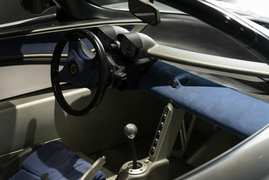 Moser’s enthusiasm wasn’t limited to casual observation. When asked if Porsche had drawn inspiration and valuable lessons from the Hyundai Ioniq 5 N, his response was reportedly unequivocal: “This is the way.” This statement suggests that the Korean automaker’s approach to simulating driver feedback in their performance EV has set a new standard, or at least provided a crucial roadmap, for how Porsche itself might proceed with its own electric sports car development. However, Moser also wisely pointed out a critical caveat: the importance of driver choice. He emphasized that any such features should be entirely optional, allowing drivers to enable or disable them according to their personal preference, rather than being forced to experience them. This consideration for individual driver preference is a cornerstone of Porsche’s philosophy, and it’s clear that this principle would extend to any simulated driving aids.
While Porsche remains tight-lipped regarding the specifics of the upcoming 718 EV, Moser’s candid remarks strongly suggest that the new model will indeed incorporate both a simulated exhaust note and a simulated transmission. This strategic move by Porsche indicates a deep understanding of their customer base and a commitment to preserving the emotional connection that defines their brand, even as they embrace a fully electric future. The Ioniq 5 N has effectively served as a valuable proof of concept, demonstrating that the perceived limitations of electric powertrains can be overcome with innovative engineering and a keen focus on the holistic driving experience.
The Hyundai Ioniq 5 N is more than just another electric crossover; it is a technological tour de force that is reshaping the very definition of performance EVs. Its success in impressing even the most discerning automotive engineers from a brand like Porsche is a testament to Hyundai’s rapid advancement in EV technology and performance tuning. The integration of advanced software and hardware to replicate the sensory feedback of internal combustion engines—simulated gear shifts that provide a satisfying jolt and auditory cues that mimic engine revs—demonstrates a profound understanding of what makes driving engaging. This focus on driver interaction is crucial for the adoption of EVs by enthusiasts who cherish the visceral connection to their machines.
Beyond the simulated sensations, the Ioniq 5 N is built upon a robust platform, the E-GMP (Electric-Global Modular Platform), shared with other high-performance EVs, but further optimized for the N division. This includes an 800-volt electrical architecture that allows for ultra-fast charging, a critical factor for any performance vehicle. Powering the Ioniq 5 N are dual electric motors, one on each axle, providing all-wheel drive and an astonishing amount of torque. The chassis has been significantly reinforced, and the suspension system has been retuned with adaptive dampers and electronically controlled limited-slip differentials, all designed to enhance handling and agility on both the road and the track. The inclusion of features like “Drift Mode” further underscores Hyundai’s ambition to deliver a driver-focused experience that rivals traditional sports cars.
The implications of Porsche’s interest in the Ioniq 5 N extend beyond just the 718 EV. It signals a broader industry trend where automakers are actively exploring ways to infuse electric vehicles with the emotional engagement that has long been a hallmark of gasoline-powered cars. This pursuit of an engaging EV driving experience is not solely about mimicking ICE cars but about creating a new paradigm of performance that leverages the unique advantages of electric powertrains while retaining the sensory richness that drivers crave. The Ioniq 5 N’s success is a powerful indicator that this is achievable and that the future of performance driving will likely be a blend of electrifying acceleration and meticulously crafted simulated feedback.
For enthusiasts considering a high-performance EV in the current market, the Hyundai Ioniq 5 N represents a compelling option that breaks established molds. Its ability to elicit praise from Porsche executives speaks volumes about its engineering and its potential to influence future EV development across the industry. The investment in research and development that has gone into creating these sophisticated simulation technologies is clear, offering a glimpse into a future where electric performance vehicles can deliver both blistering speed and an engaging, sensorially rich driving experience.
As the automotive world continues its swift transition towards electrification, the role of companies like Hyundai, pushing the envelope with innovative solutions, becomes increasingly vital. The Hyundai Ioniq 5 N has not only earned its stripes as a serious performance EV but has also become an unexpected mentor for the industry’s established titans. It demonstrates that the future of driving excitement is not confined to traditional powertrains but is being actively shaped by bold new approaches to electric performance.
The question for potential buyers in the high-performance electric vehicle market is no longer if EVs can be exciting, but how they will deliver that excitement. The Hyundai Ioniq 5 N has provided a resounding answer, showcasing a path forward that prioritizes both raw capability and the nuanced, engaging driving experience that enthusiasts have come to expect.
Moser’s enthusiasm wasn’t limited to casual observation. When asked if Porsche had drawn inspiration and valuable lessons from the Hyundai Ioniq 5 N, his response was reportedly unequivocal: “This is the way.” This statement suggests that the Korean automaker’s approach to simulating driver feedback in their performance EV has set a new standard, or at least provided a crucial roadmap, for how Porsche itself might proceed with its own electric sports car development. However, Moser also wisely pointed out a critical caveat: the importance of driver choice. He emphasized that any such features should be entirely optional, allowing drivers to enable or disable them according to their personal preference, rather than being forced to experience them. This consideration for individual driver preference is a cornerstone of Porsche’s philosophy, and it’s clear that this principle would extend to any simulated driving aids.
While Porsche remains tight-lipped regarding the specifics of the upcoming 718 EV, Moser’s candid remarks strongly suggest that the new model will indeed incorporate both a simulated exhaust note and a simulated transmission. This strategic move by Porsche indicates a deep understanding of their customer base and a commitment to preserving the emotional connection that defines their brand, even as they embrace a fully electric future. The Ioniq 5 N has effectively served as a valuable proof of concept, demonstrating that the perceived limitations of electric powertrains can be overcome with innovative engineering and a keen focus on the holistic driving experience.
The Hyundai Ioniq 5 N is more than just another electric crossover; it is a technological tour de force that is reshaping the very definition of performance EVs. Its success in impressing even the most discerning automotive engineers from a brand like Porsche is a testament to Hyundai’s rapid advancement in EV technology and performance tuning. The integration of advanced software and hardware to replicate the sensory feedback of internal combustion engines—simulated gear shifts that provide a satisfying jolt and auditory cues that mimic engine revs—demonstrates a profound understanding of what makes driving engaging. This focus on driver interaction is crucial for the adoption of EVs by enthusiasts who cherish the visceral connection to their machines.
Beyond the simulated sensations, the Ioniq 5 N is built upon a robust platform, the E-GMP (Electric-Global Modular Platform), shared with other high-performance EVs, but further optimized for the N division. This includes an 800-volt electrical architecture that allows for ultra-fast charging, a critical factor for any performance vehicle. Powering the Ioniq 5 N are dual electric motors, one on each axle, providing all-wheel drive and an astonishing amount of torque. The chassis has been significantly reinforced, and the suspension system has been retuned with adaptive dampers and electronically controlled limited-slip differentials, all designed to enhance handling and agility on both the road and the track. The inclusion of features like “Drift Mode” further underscores Hyundai’s ambition to deliver a driver-focused experience that rivals traditional sports cars.
The implications of Porsche’s interest in the Ioniq 5 N extend beyond just the 718 EV. It signals a broader industry trend where automakers are actively exploring ways to infuse electric vehicles with the emotional engagement that has long been a hallmark of gasoline-powered cars. This pursuit of an engaging EV driving experience is not solely about mimicking ICE cars but about creating a new paradigm of performance that leverages the unique advantages of electric powertrains while retaining the sensory richness that drivers crave. The Ioniq 5 N’s success is a powerful indicator that this is achievable and that the future of performance driving will likely be a blend of electrifying acceleration and meticulously crafted simulated feedback.
For enthusiasts considering a high-performance EV in the current market, the Hyundai Ioniq 5 N represents a compelling option that breaks established molds. Its ability to elicit praise from Porsche executives speaks volumes about its engineering and its potential to influence future EV development across the industry. The investment in research and development that has gone into creating these sophisticated simulation technologies is clear, offering a glimpse into a future where electric performance vehicles can deliver both blistering speed and an engaging, sensorially rich driving experience.
As the automotive world continues its swift transition towards electrification, the role of companies like Hyundai, pushing the envelope with innovative solutions, becomes increasingly vital. The Hyundai Ioniq 5 N has not only earned its stripes as a serious performance EV but has also become an unexpected mentor for the industry’s established titans. It demonstrates that the future of driving excitement is not confined to traditional powertrains but is being actively shaped by bold new approaches to electric performance.
The question for potential buyers in the high-performance electric vehicle market is no longer if EVs can be exciting, but how they will deliver that excitement. The Hyundai Ioniq 5 N has provided a resounding answer, showcasing a path forward that prioritizes both raw capability and the nuanced, engaging driving experience that enthusiasts have come to expect.
 If you’re intrigued by the future of high-performance electric vehicles and the innovative technologies shaping them, consider exploring the Hyundai Ioniq 5 N and its groundbreaking approach to driver engagement. Discover how this benchmark EV is redefining what’s possible and setting a new standard for electrified performance.