
Tesla’s Shifting Gears: The End of an Era for Model S and Model X, and a Bold Leap into Automation
For over a decade, the Tesla Model S and Model X have been more than just electric vehicles; they have
been the vanguard of a new automotive paradigm, pushing the boundaries of performance, range, and technological integration. Now, as summer 2026 approaches, these pioneering models are set to conclude their production runs, marking a significant turning point in Tesla’s ambitious trajectory. This decision signals a strategic pivot, with the Fremont, California factory slated for a monumental retooling to embrace the future of robotics and artificial intelligence, producing Tesla’s own Optimus humanoid robots. This move, driven by CEO Elon Musk’s vision, underscores a profound diversification of the company’s business interests, moving beyond automotive manufacturing to become a leader in cutting-edge AI and automation solutions.
The discontinuation of the Model S and Model X, while undoubtedly marking the end of an era for these flagship vehicles, is a calculated strategic maneuver. Launched in 2012, the Model S was not just Tesla’s first mass-produced car; it was a seismic event that reshaped the automotive landscape, proving that electric vehicles could offer luxury, performance, and substantial range, directly challenging established automotive giants. The Model X followed in 2015, introducing the distinctive falcon-wing doors and a family-oriented SUV form factor, further expanding Tesla’s reach into new segments.
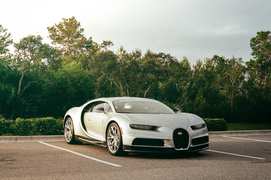 However, despite their trailblazing status and technological prowess, particularly with the breathtaking 1020bhp Plaid variants, the Model S and Model X have represented a relatively small fraction of Tesla’s overall sales volume in recent years. Last year, combined deliveries for these two models fell shy of 50,000 units. In stark contrast, Tesla’s more accessible and mass-market offerings, the Model 3 sedan and Model Y SUV, collectively achieved nearly 1.6 million deliveries. This significant disparity highlights the strategic rationale behind focusing production capacity on vehicles that drive the company’s growth and market penetration. The phasing out of the Model S and Model X allows Tesla to streamline its manufacturing operations, optimize its supply chain, and reallocate resources towards its most successful product lines and its burgeoning AI ambitions.
The Genesis of a Revolution: Recalling the Model S’s Impact
The arrival of the original Tesla Model S in 2012 was nothing short of revolutionary. At a time when electric vehicles were largely confined to niche markets and limited ranges, the Model S presented a compelling alternative to traditional luxury sedans. The Performance variant, boasting an impressive 416bhp and an estimated 300 miles of range (based on the then-current NEDC test cycle), was priced at £68,700 – a figure that, adjusted for inflation, would be approximately £96,000 today. This was not a small, eco-conscious commuter car; it was a statement of intent, a luxurious and high-performance vehicle that happened to be electric.
Autocar’s road test in 2013 solidified the Model S’s groundbreaking status. Awarded a remarkable 4.5 stars, it outshone its contemporaries, including the Porsche Panamera S E-Hybrid, and hybrid versions of the BMW 7 Series, Mercedes-Benz S-Class, and Audi A8. The verdict at the time was unequivocal: “Finally, it seems, here’s a company that understands the workings of the automotive consumer.” The review lauded Tesla’s ability to achieve price and performance parity with established luxury rivals by integrating substantial battery packs and catering to a customer base that was both receptive to new technology and possessed the resources to embrace its early adoption. The Model S was described as “practical, refined, and, above all, desirable,” a true triumph that paved the way for the modern electric vehicle era. The best electric sedan 2025 discussions have undoubtedly been influenced by its legacy.
The Model X: Audacity in SUV Design
Following the success of the Model S, Tesla introduced the Model X in 2015. This full-size luxury SUV was characterized by its distinctive “falcon-wing” doors, a design choice that, while unconventional, certainly turned heads and offered a unique user experience, particularly for families. Though a derivative of the Model S platform and not necessarily a class-leader in every regard, with early models facing criticism for a firm ride and some build quality inconsistencies, the Model X still carved out a significant niche for itself. It offered a compelling alternative to traditional luxury SUVs, providing the benefits of electric propulsion in a larger, more versatile package.
The Autocar verdict on the Model X was similarly acknowledging of its unique position: “It is necessary once again – even with qualifications – to acknowledge that there is nothing else like the Model X.” This statement perfectly encapsulated the Model X’s disruptive nature. It wasn’t just another SUV; it was Tesla’s bold interpretation of what a family-oriented electric vehicle could be, complete with an optional seven-seat configuration, making it a practical choice for larger households.
The Plaid Era: Redefining Automotive Acceleration
The introduction of the Model S Plaid variant in 2021 marked another pivotal moment, not just for Tesla, but for the automotive industry as a whole. Elon Musk boldly claimed it to be the “quickest production car ever made of any kind.” The advertised 0-60mph sprint time of just 1.99 seconds, while achieved with a slight “roll-out” advantage (meaning the car had a small rolling start), was a staggering benchmark. Autocar’s independent testing clocked it at a still phenomenal 2.4 seconds. This figure, while marginally slower than the manufacturer’s claim, firmly established the Model S Plaid as the fastest-accelerating car ever subjected to a full Autocar road test as of August 2023. It eclipsed even legendary hypercars like the Bugatti Veyron Supersport, demonstrating the electrifying potential of electric powertrains.
Even with the emergence of formidable competitors like the electric Lotus Evija (achieving 0-60mph in 2.8 seconds) and the hybrid Lamborghini Revuelto (at 2.5 seconds), the Model S Plaid continues to hold its title as the quickest production car to 60mph in our comprehensive testing regime. This enduring performance speaks volumes about Tesla’s engineering prowess and its commitment to pushing the envelope in automotive performance. The pursuit of extreme electric vehicle performance is a testament to the technological leaps made possible by companies like Tesla.
The Shift Towards AI and Automation: Tesla’s Next Frontier
The decision to convert the Fremont factory, the birthplace of the Model S and Model X, into a hub for Optimus robot production is a clear indicator of Tesla’s strategic evolution. This move signifies a substantial investment in artificial intelligence and automation, areas that Musk believes are critical for the company’s future growth and for humanity’s long-term progress. The Optimus project, a humanoid robot designed for a wide range of tasks, from manufacturing and logistics to potentially domestic assistance, represents a significant diversification beyond the automotive sector.
However, despite their trailblazing status and technological prowess, particularly with the breathtaking 1020bhp Plaid variants, the Model S and Model X have represented a relatively small fraction of Tesla’s overall sales volume in recent years. Last year, combined deliveries for these two models fell shy of 50,000 units. In stark contrast, Tesla’s more accessible and mass-market offerings, the Model 3 sedan and Model Y SUV, collectively achieved nearly 1.6 million deliveries. This significant disparity highlights the strategic rationale behind focusing production capacity on vehicles that drive the company’s growth and market penetration. The phasing out of the Model S and Model X allows Tesla to streamline its manufacturing operations, optimize its supply chain, and reallocate resources towards its most successful product lines and its burgeoning AI ambitions.
The Genesis of a Revolution: Recalling the Model S’s Impact
The arrival of the original Tesla Model S in 2012 was nothing short of revolutionary. At a time when electric vehicles were largely confined to niche markets and limited ranges, the Model S presented a compelling alternative to traditional luxury sedans. The Performance variant, boasting an impressive 416bhp and an estimated 300 miles of range (based on the then-current NEDC test cycle), was priced at £68,700 – a figure that, adjusted for inflation, would be approximately £96,000 today. This was not a small, eco-conscious commuter car; it was a statement of intent, a luxurious and high-performance vehicle that happened to be electric.
Autocar’s road test in 2013 solidified the Model S’s groundbreaking status. Awarded a remarkable 4.5 stars, it outshone its contemporaries, including the Porsche Panamera S E-Hybrid, and hybrid versions of the BMW 7 Series, Mercedes-Benz S-Class, and Audi A8. The verdict at the time was unequivocal: “Finally, it seems, here’s a company that understands the workings of the automotive consumer.” The review lauded Tesla’s ability to achieve price and performance parity with established luxury rivals by integrating substantial battery packs and catering to a customer base that was both receptive to new technology and possessed the resources to embrace its early adoption. The Model S was described as “practical, refined, and, above all, desirable,” a true triumph that paved the way for the modern electric vehicle era. The best electric sedan 2025 discussions have undoubtedly been influenced by its legacy.
The Model X: Audacity in SUV Design
Following the success of the Model S, Tesla introduced the Model X in 2015. This full-size luxury SUV was characterized by its distinctive “falcon-wing” doors, a design choice that, while unconventional, certainly turned heads and offered a unique user experience, particularly for families. Though a derivative of the Model S platform and not necessarily a class-leader in every regard, with early models facing criticism for a firm ride and some build quality inconsistencies, the Model X still carved out a significant niche for itself. It offered a compelling alternative to traditional luxury SUVs, providing the benefits of electric propulsion in a larger, more versatile package.
The Autocar verdict on the Model X was similarly acknowledging of its unique position: “It is necessary once again – even with qualifications – to acknowledge that there is nothing else like the Model X.” This statement perfectly encapsulated the Model X’s disruptive nature. It wasn’t just another SUV; it was Tesla’s bold interpretation of what a family-oriented electric vehicle could be, complete with an optional seven-seat configuration, making it a practical choice for larger households.
The Plaid Era: Redefining Automotive Acceleration
The introduction of the Model S Plaid variant in 2021 marked another pivotal moment, not just for Tesla, but for the automotive industry as a whole. Elon Musk boldly claimed it to be the “quickest production car ever made of any kind.” The advertised 0-60mph sprint time of just 1.99 seconds, while achieved with a slight “roll-out” advantage (meaning the car had a small rolling start), was a staggering benchmark. Autocar’s independent testing clocked it at a still phenomenal 2.4 seconds. This figure, while marginally slower than the manufacturer’s claim, firmly established the Model S Plaid as the fastest-accelerating car ever subjected to a full Autocar road test as of August 2023. It eclipsed even legendary hypercars like the Bugatti Veyron Supersport, demonstrating the electrifying potential of electric powertrains.
Even with the emergence of formidable competitors like the electric Lotus Evija (achieving 0-60mph in 2.8 seconds) and the hybrid Lamborghini Revuelto (at 2.5 seconds), the Model S Plaid continues to hold its title as the quickest production car to 60mph in our comprehensive testing regime. This enduring performance speaks volumes about Tesla’s engineering prowess and its commitment to pushing the envelope in automotive performance. The pursuit of extreme electric vehicle performance is a testament to the technological leaps made possible by companies like Tesla.
The Shift Towards AI and Automation: Tesla’s Next Frontier
The decision to convert the Fremont factory, the birthplace of the Model S and Model X, into a hub for Optimus robot production is a clear indicator of Tesla’s strategic evolution. This move signifies a substantial investment in artificial intelligence and automation, areas that Musk believes are critical for the company’s future growth and for humanity’s long-term progress. The Optimus project, a humanoid robot designed for a wide range of tasks, from manufacturing and logistics to potentially domestic assistance, represents a significant diversification beyond the automotive sector.
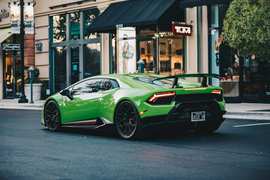 This transition aligns with broader industry trends. As the automotive industry grapples with the complexities of transitioning to electric vehicles and autonomous driving, the development and deployment of advanced robotics and AI are becoming increasingly crucial for manufacturing efficiency, supply chain optimization, and the creation of entirely new business models. The future of automotive manufacturing is inextricably linked with advancements in robotics and AI. Companies that can master these technologies are poised to gain a significant competitive advantage.
The discontinuation of the Model S and Model X, while poignant for enthusiasts and those who witnessed their groundbreaking introductions, is a pragmatic step in Tesla’s ambitious journey. It allows the company to concentrate its resources and manufacturing capabilities on its most successful and high-volume models – the Model 3 and Model Y – while simultaneously making a bold, forward-looking investment in the burgeoning field of robotics and artificial intelligence. The best electric SUVs 2025 and luxury electric sedans 2025 will continue to be dominated by Tesla’s current offerings, but the company’s gaze is firmly fixed on what comes next.
Navigating the Evolving Electric Vehicle Market
The landscape of the electric vehicle market is in constant flux. As more traditional automakers ramp up their EV production and introduce compelling new models, the competition is intensifying. Tesla’s strategic decision to focus on its core strengths and invest in future technologies reflects a sophisticated understanding of this dynamic environment. While the Model S and Model X have served their purpose as pioneers and technological showcases, their production ending allows Tesla to reinforce its position in the high-volume segments where it currently excels.
The emergence of high-performance EVs from various manufacturers means the once unparalleled acceleration of the Model S Plaid is now part of a more competitive field. However, Tesla’s continued innovation in battery technology, software updates, and manufacturing processes ensures it remains at the forefront. The focus on AI and robotics is not merely a tangential venture; it is a logical extension of Tesla’s core philosophy of leveraging advanced technology to solve complex problems and create disruptive solutions. The integration of AI into vehicle design, manufacturing, and even the driving experience itself is a key area of development for cutting-edge electric vehicles.
The future of personal transportation is also being shaped by the development of autonomous driving capabilities. Tesla’s ambition with the Cybercab, a fully autonomous vehicle without traditional controls, slated for arrival in 2027, demonstrates a long-term vision that extends beyond simply building cars. This focus on autonomy, powered by advanced AI and robotics, is a significant differentiator and a key component of the company’s future strategy. The autonomous vehicle technology race is on, and Tesla is clearly positioning itself as a leader.
A Glimpse into the Future of Tesla
With the production of the Model S and Model X concluding, Tesla’s immediate product lineup will consist of the Model 3, Model Y, and the recently launched Cybertruck. The long-awaited production version of the Roadster is also scheduled for unveiling in its production specification on April 1, 2026, promising to reignite the conversation around electric sports car performance. This streamlined product portfolio allows for greater manufacturing efficiency and a clearer focus on market segments where Tesla currently enjoys strong demand.
The transition of the Fremont factory to Optimus production is a bold step that signifies Tesla’s ambition to become a multifaceted technology company. This diversification is not without its challenges, but the company’s history of audacious goals and successful execution suggests it is a venture worth watching closely. The implications for the broader robotics and AI industries are immense, as Tesla’s entry and scale could accelerate development and adoption significantly. The robotics industry trends are being closely monitored, and Tesla’s involvement will undoubtedly be a major catalyst.
As we stand on the cusp of this significant shift, it’s a moment to reflect on the indelible impact of the Model S and Model X. They were not just vehicles; they were the catalysts that ignited the modern electric vehicle revolution. Their legacy is not just in the asphalt they traversed but in the fundamental change they brought about in consumer perception and automotive engineering.
The automotive world is entering an exciting new phase, driven by electrification, automation, and artificial intelligence. Tesla, by making these strategic pivots, is ensuring it remains at the vanguard of this transformation. The departure of the Model S and Model X marks the end of a chapter, but it opens the door to a future where Tesla’s influence may extend far beyond the road, shaping the very fabric of our automated world.
This transition aligns with broader industry trends. As the automotive industry grapples with the complexities of transitioning to electric vehicles and autonomous driving, the development and deployment of advanced robotics and AI are becoming increasingly crucial for manufacturing efficiency, supply chain optimization, and the creation of entirely new business models. The future of automotive manufacturing is inextricably linked with advancements in robotics and AI. Companies that can master these technologies are poised to gain a significant competitive advantage.
The discontinuation of the Model S and Model X, while poignant for enthusiasts and those who witnessed their groundbreaking introductions, is a pragmatic step in Tesla’s ambitious journey. It allows the company to concentrate its resources and manufacturing capabilities on its most successful and high-volume models – the Model 3 and Model Y – while simultaneously making a bold, forward-looking investment in the burgeoning field of robotics and artificial intelligence. The best electric SUVs 2025 and luxury electric sedans 2025 will continue to be dominated by Tesla’s current offerings, but the company’s gaze is firmly fixed on what comes next.
Navigating the Evolving Electric Vehicle Market
The landscape of the electric vehicle market is in constant flux. As more traditional automakers ramp up their EV production and introduce compelling new models, the competition is intensifying. Tesla’s strategic decision to focus on its core strengths and invest in future technologies reflects a sophisticated understanding of this dynamic environment. While the Model S and Model X have served their purpose as pioneers and technological showcases, their production ending allows Tesla to reinforce its position in the high-volume segments where it currently excels.
The emergence of high-performance EVs from various manufacturers means the once unparalleled acceleration of the Model S Plaid is now part of a more competitive field. However, Tesla’s continued innovation in battery technology, software updates, and manufacturing processes ensures it remains at the forefront. The focus on AI and robotics is not merely a tangential venture; it is a logical extension of Tesla’s core philosophy of leveraging advanced technology to solve complex problems and create disruptive solutions. The integration of AI into vehicle design, manufacturing, and even the driving experience itself is a key area of development for cutting-edge electric vehicles.
The future of personal transportation is also being shaped by the development of autonomous driving capabilities. Tesla’s ambition with the Cybercab, a fully autonomous vehicle without traditional controls, slated for arrival in 2027, demonstrates a long-term vision that extends beyond simply building cars. This focus on autonomy, powered by advanced AI and robotics, is a significant differentiator and a key component of the company’s future strategy. The autonomous vehicle technology race is on, and Tesla is clearly positioning itself as a leader.
A Glimpse into the Future of Tesla
With the production of the Model S and Model X concluding, Tesla’s immediate product lineup will consist of the Model 3, Model Y, and the recently launched Cybertruck. The long-awaited production version of the Roadster is also scheduled for unveiling in its production specification on April 1, 2026, promising to reignite the conversation around electric sports car performance. This streamlined product portfolio allows for greater manufacturing efficiency and a clearer focus on market segments where Tesla currently enjoys strong demand.
The transition of the Fremont factory to Optimus production is a bold step that signifies Tesla’s ambition to become a multifaceted technology company. This diversification is not without its challenges, but the company’s history of audacious goals and successful execution suggests it is a venture worth watching closely. The implications for the broader robotics and AI industries are immense, as Tesla’s entry and scale could accelerate development and adoption significantly. The robotics industry trends are being closely monitored, and Tesla’s involvement will undoubtedly be a major catalyst.
As we stand on the cusp of this significant shift, it’s a moment to reflect on the indelible impact of the Model S and Model X. They were not just vehicles; they were the catalysts that ignited the modern electric vehicle revolution. Their legacy is not just in the asphalt they traversed but in the fundamental change they brought about in consumer perception and automotive engineering.
The automotive world is entering an exciting new phase, driven by electrification, automation, and artificial intelligence. Tesla, by making these strategic pivots, is ensuring it remains at the vanguard of this transformation. The departure of the Model S and Model X marks the end of a chapter, but it opens the door to a future where Tesla’s influence may extend far beyond the road, shaping the very fabric of our automated world.
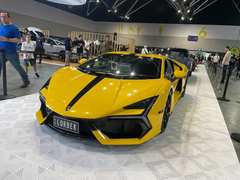 For those who have been captivated by Tesla’s journey, this evolution presents a compelling opportunity to engage with the company’s expanding technological horizons. Whether you’re a prospective buyer of their current acclaimed models, an investor keenly observing their AI ventures, or an enthusiast of cutting-edge innovation, the future of Tesla promises to be as dynamic and groundbreaking as its past. Explore the latest offerings from Tesla, from the unparalleled acceleration of the Plaid variants to the robust utility of the Cybertruck, and consider how you might be a part of this automotive and technological evolution by visiting your local Tesla showroom or exploring their official website for the most up-to-date information on their transformative products and vision for the future.