

Reigniting a Legend: The All-New Renault Duster Reimagines India’s Compact SUV Landscape
For a decade, the automotive landscape in India has been indelibly shaped by a single, groundbreaking vehicle. The original Renault Duster, with its rugged charm and accessible pricing, didn’t just enter the market; it practically carved out the compact SUV segment as we know it. Now, after years of anticipation and strategic evolution, Renault is poised to recapture the hearts of Indian consumers and solidify its global ambitions with the unveiling of the second-generation Duster. This isn’t merely a refresh; it’s a meticulously engineered reinvention, designed to cater to specific regional demands and leverage the burgeoning potential of one of the world’s fastest-growing automotive markets.
The automotive industry is in a constant state of flux, and understanding market dynamics is crucial. As an industry veteran with ten years navigating these complexities, I can attest that the impact of a well-positioned vehicle like the original Duster cannot be overstated. It tapped into a nascent desire for vehicles that offered more than just basic transportation – they promised adventure, capability, and a higher driving position, all without breaking the bank. The success of the first-generation Renault Duster in India is a testament to this foresight. It achieved an impressive 40,000 units sold annually during a period when SUVs constituted a mere 10% of the market. This foresight is what makes the new Duster’s potential so profound today.
Fast forward to 2025, and the Indian automotive market has undergone a dramatic transformation. SUVs now command over half of all new vehicle sales, a seismic shift that amplifies the strategic importance of the new Duster. Renault’s ambitious £2.2 billion plan to significantly expand its market share outside of Europe hinges on the success of models like this. The Indian market, now the third largest globally and experiencing an annual growth rate of 5% to 10%, represents a critical battleground. The new Renault Duster, therefore, is not just a new model; it’s a linchpin in Renault’s global growth strategy, a statement of intent in a highly competitive arena.
It’s vital to distinguish this new Duster from its European cousin, the Dacia Duster. While they share a visual kinship, this India-specific model is built on a distinct platform and boasts bespoke design elements and powertrain options. This localization is a key differentiator, reflecting Renault’s commitment to understanding and addressing the nuanced preferences of local buyers. The CMF-B platform, adapted and engineered by Renault’s newly established Indian engineering center, has been specifically tuned to handle the diverse and often challenging driving conditions prevalent across India. This dedication to local engineering expertise ensures the new Duster is not just a global product with a local badge, but a vehicle intrinsically connected to its operating environment.
One of the most striking aspects of the new Duster is its enhanced off-road capability, a nod to the adventurer within every potential owner. With impressive approach and departure angles of 25.7 and 29.2 degrees respectively, the vehicle is engineered to “venture well beyond the beaten track.” This is a deliberate design choice, recognizing that while many compact SUVs are purchased for urban use, a significant portion of the target demographic values the option of exploring less-traveled paths. This capability, combined with robust suspension tuning, positions the new Duster as a compelling choice for those seeking both urban versatility and weekend escapism, appealing to a wide range of SUV enthusiasts India.
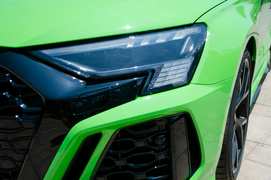
The branding itself speaks volumes about the Duster’s legacy. Instead of prominently displaying the Renault badge, the name “Duster” is emblazoned across the front grille. This deliberate choice, as explained by product boss Bruno Vanel, draws a powerful parallel to the ubiquity of “Jeep” in the United States. The Duster nameplate has achieved an almost iconic status in India, so much so that it transcends being a mere model designation and has become synonymous with the compact SUV category. This strategic branding leverages the existing brand equity, significantly reducing the cost and effort associated with market penetration and building trust with a vast population. Renault CEO Fabrice Cambolive articulated this rationale clearly: “The fact we’ve used Duster not as a brand but as a reference on the face of the car is an enabler to be much more efficient in representing the market.” This understanding of market psychology is what separates a good product launch from a truly transformative one.
From a design perspective, the new Duster strikes a compelling balance between its Dacia sibling and Renault’s global design language. While bearing a strong resemblance to the Dacia Duster, it incorporates signature Renault cues, such as the distinctive trapezoidal grille and familiar LED light signatures. This ensures brand consistency while retaining the robust, utilitarian appeal that defined the original. The interior, however, represents a complete departure from the Dacia model and aligns with Renault’s latest European offerings. Drivers are greeted by a modern cockpit featuring a 7-inch or optional 10.25-inch driver display and a dominant 10.1-inch portrait touchscreen. Crucially, these units run the latest Google-based system, enhanced with Gemini AI functionality. This integration of advanced technology elevates the user experience, offering intuitive navigation, seamless smartphone connectivity, and personalized insights, setting a new benchmark for tech-savvy SUVs in India. The raised center console, inspired by high-end models like the Austral and Rafale, further contributes to a premium ambiance, challenging conventional expectations for a vehicle in this segment.
The meticulous attention to detail extends to the features list, a direct result of Renault’s localized design and engineering insights. The new Duster comes equipped with a host of premium amenities as standard, including electrically adjustable and ventilated seats, a panoramic sunroof, and an electric bootlid. Perhaps most significantly, in a nod to the Indian climate, it includes a sophisticated smartphone app that allows for remote control of various functions, including pre-conditioning the cabin. “It was particularly important to be able to switch on the ventilation and the air conditioning in a country which has a lot of hot days in the year,” noted Vanel. This level of thoughtful consideration for local needs underscores Renault’s commitment to building vehicles that are not just desirable but also supremely practical for their intended market. This focus on comfort and convenience features in affordable SUVs is a game-changer.
Under the hood, the new Duster offers a choice of two sophisticated powertrain options. The TCe 100 mild-hybrid petrol engine, paired with a six-speed manual gearbox, provides an efficient and engaging driving experience. For those seeking more power, the TCe 160 full-hybrid system, also available in the Symbioz, offers enhanced performance and fuel economy, with the option of a dual-clutch automatic transmission. These powertrain choices reflect a strategic approach to meeting diverse consumer demands, catering to both eco-conscious buyers and those prioritizing performance. The availability of advanced hybrid technology in this segment is a clear indicator of evolving consumer preferences and the increasing demand for fuel-efficient SUVs in India.
The unveiling of the new Duster follows closely on the heels of Renault’s introduction of the larger, premium-oriented Filante SUV, a testament to the company’s broadening product portfolio and its strategic partnerships. The Duster will be manufactured at Renault’s Chennai facility, a plant that has been fully integrated into Renault’s operations after previously being shared with Nissan. This integrated manufacturing capability ensures efficient production and quality control, alongside other popular models like the Triber mini-MPV and the Kiger hatchback. Indian sales are slated to commence in spring, followed by exports to key international markets such as South Africa and the Middle East, further amplifying the global reach of this reinvented legend.
The competitive set for the new Duster is formidable, including key players like the Maruti Suzuki Jimny, Hyundai Creta, and the recently updated Tata Sierra. These vehicles represent established benchmarks in the compact SUV space, and the new Duster will need to carve out its own niche through a compelling combination of features, performance, and value. However, given the Duster’s unparalleled legacy and Renault’s focused approach to localization and feature enhancement, it possesses the potential to not only compete but to redefine expectations within the segment. For consumers in India, this resurgence of the Duster signals an exciting new era of choice and innovation in the best compact SUVs.
The journey of the Renault Duster in India is a compelling narrative of market understanding, strategic adaptation, and enduring appeal. From its groundbreaking debut that birthed a segment, to its sophisticated reinvention for the modern era, the new Duster is poised to reignite the passion of Indian car buyers. It represents more than just a new vehicle; it’s the next chapter in a story of automotive success, a testament to the power of a well-loved nameplate and the commitment to delivering vehicles that truly resonate with the needs and aspirations of their audience.

Are you ready to experience the evolution of an icon? Discover the all-new Renault Duster and see how it can elevate your driving journey. Visit your nearest Renault dealership today to learn more and schedule your test drive.