
Italdesign Enters New Era: U.S. AI Innovator Acquires Majority Stake, Charting a Course for Integrated Vehicle Development
In a significant move reshaping the landscape of automotive innovation, Italdesign, the renowned Italian design and engineering powerhouse, has transitioned to a new ownership structure. Volkswagen Group has divested its majority stake in the iconic firm, with a U.S.-based technology and artificial intelligence company, UST, now at the helm. This strategic shift, finalized in late 2025, marks the beginning of a transformative chapter for Italdesign, promising to blend cutting-edge AI with the firm’s deep-rooted design legacy. While Volkswagen Group will retain a minority interest through its subsidiary Lamborghini, and Audi continues as a pivotal strategic partner, the primary control now rests with UST, setting an ambitious trajectory for the future of vehicle conceptualization and creation.
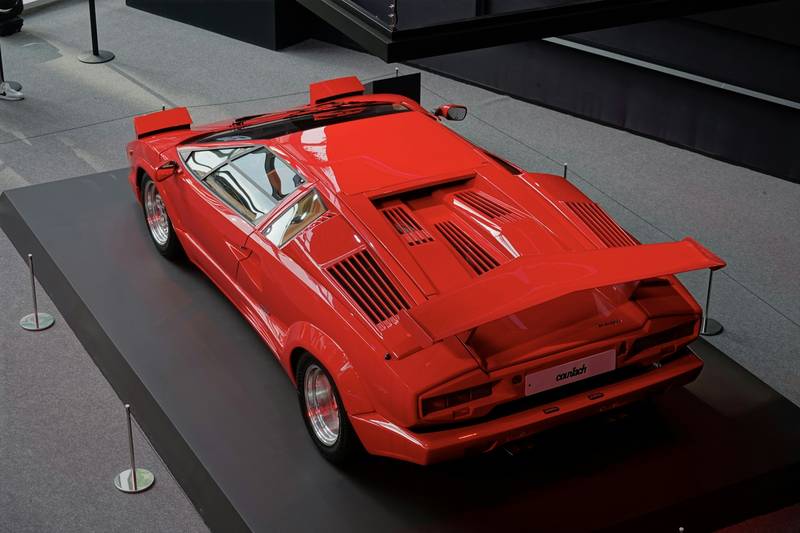
For over five decades, Italdesign has been synonymous with automotive artistry and groundbreaking engineering. Founded by Giorgetto Giugiaro and Aldo Mantovani in 1968, the Turin-based studio has been instrumental in shaping the aesthetic and functional DNA of countless automotive legends. From the sharp, wedge-shaped dynamism of the BMW M1 and the futuristic appeal of the DMC DeLorean, to the elegant lines of the Lotus Esprit and the enduring practicality of the original Volkswagen Golf, Italdesign’s fingerprints are indelibly marked on automotive history. This rich heritage forms the bedrock upon which the company will build its future, now infused with the advanced capabilities of UST.
The rationale behind this acquisition by UST, a California-headquartered firm with deep expertise in artificial intelligence and technological solutions, is rooted in a shared vision for the evolution of automotive development. UST’s announcement highlighted a compelling synergy, envisioning a seamless integration of their prowess in AI and automotive engineering with Italdesign’s world-class talent in automotive and product design. The core aspiration is to pioneer a new paradigm: the complete, in-house development of vehicles, encompassing both the physical hardware and the intricate software architecture. This means streamlining the entire lifecycle, from initial concept and design to the final, digitally integrated product, all under one roof.
This evolution is particularly pertinent in the current automotive climate, which is rapidly being redefined by electrification, autonomous driving, and increasingly sophisticated digital user experiences. The demand for faster innovation cycles, more personalized vehicle configurations, and the seamless integration of advanced software has never been greater. The traditional, often segmented approach to vehicle development, where design, engineering, and software teams operate in relative silos, is becoming increasingly inefficient. UST’s investment in Italdesign signals a clear commitment to breaking down these barriers, fostering a truly integrated development environment that can respond with agility to the accelerating pace of technological change.
The implications for the automotive industry are substantial. By empowering Italdesign to handle all aspects of vehicle creation internally, UST is positioning the firm as a formidable entity capable of offering end-to-end solutions. This comprehensive approach has the potential to significantly reduce time-to-market for new models, enhance design fidelity from concept to production, and ensure that software is not an afterthought but an integral component from the very inception of a vehicle’s design. This could mean faster development of advanced driver-assistance systems (ADAS), more intuitive infotainment systems, and the ability to rapidly iterate on software features that define the modern driving experience.
For automotive manufacturers seeking to innovate but perhaps lacking the internal resources or specialized AI expertise, Italdesign, under UST’s majority ownership, presents an attractive proposition. It offers a holistic partnership, capable of conceptualizing, designing, engineering, and developing the digital infrastructure for vehicles. This could prove particularly valuable for startups entering the electric vehicle (EV) or autonomous vehicle (AV) space, who need to bring their vision to market rapidly and efficiently. Furthermore, established OEMs looking to accelerate their digital transformation and integrate AI more deeply into their product development processes will find Italdesign a compelling strategic ally.
The role of Audi and Lamborghini in this new configuration is noteworthy. Audi’s continued involvement as a strategic partner underscores the enduring value of Italdesign’s design capabilities and its historical ties to the Volkswagen Group. This partnership likely means that Italdesign will continue to contribute to Audi’s future product development, leveraging its new AI-driven capabilities. Lamborghini’s retained stake, however small, ensures a continued connection to the performance and luxury automotive sector, a domain where Italdesign has often excelled. This layered ownership structure suggests a nuanced approach, preserving key relationships while enabling a bold new direction under UST’s leadership.
The focus on developing “all the requisite hardware and software for a vehicle fully in-house” is a bold statement that speaks to the evolving nature of automotive manufacturing. It suggests a move towards greater control over the entire value chain, minimizing reliance on external suppliers for critical software components and potentially even for certain hardware integrations. This level of vertical integration, facilitated by AI, can lead to significant cost efficiencies, improved quality control, and enhanced intellectual property protection. It also allows for a more cohesive and consistent user experience, as software and hardware are designed to work in perfect harmony from the outset.
From an industry expert’s perspective, this acquisition represents a logical progression in the automotive sector’s ongoing digital metamorphosis. The convergence of physical design and digital intelligence is no longer a distant future; it is the present. Companies that can master this integration will undoubtedly lead the next wave of automotive innovation. Italdesign, with its storied design heritage and now bolstered by UST’s formidable AI and engineering acumen, is strategically positioned to be at the forefront of this movement. The ability to rapidly prototype not just the physical form of a car but also its digital soul will be a critical differentiator in the coming years.
Consider the current discourse around the “car as a platform” – a concept that emphasizes the vehicle’s role as a mobile computing device. This shift necessitates a development process that mirrors that of software companies, characterized by agile methodologies, continuous iteration, and a deep understanding of user data and AI-driven personalization. Italdesign’s new direction aligns perfectly with this paradigm. By bringing software development in-house, the firm can more effectively implement features such as predictive maintenance, over-the-air updates that enhance performance or add new functionalities, and highly personalized in-car experiences tailored to individual driver preferences.
The talent pool within Italdesign, a collection of some of the world’s most imaginative designers and engineers, will now have access to advanced AI tools and platforms. This fusion promises to unlock new creative possibilities, enabling designers to explore more complex forms and functionalities, and engineers to optimize performance and efficiency with unprecedented precision. Imagine AI-assisted generative design tools that can propose novel aerodynamic solutions or optimize interior layouts for maximum space and comfort, all while adhering to strict safety and manufacturing constraints. This is the future that Italdesign, with UST’s backing, is poised to deliver.
Furthermore, the emphasis on integrated hardware and software development could have profound implications for the automotive supply chain. While established automakers will continue to rely on a vast network of suppliers, a more vertically integrated Italdesign might reduce the reliance on external firms for certain critical digital components, potentially leading to more secure and robust digital architectures. This also opens up avenues for new types of partnerships, where Italdesign could collaborate with specialized AI or component manufacturers to co-develop specific technologies, maintaining overall control of the integration process.
The competitive landscape for automotive design and engineering services is intense, with established players and newer entrants vying for prominence. However, Italdesign’s unique combination of a historic brand reputation, a proven track record of delivering iconic designs, and this new, forward-looking AI integration strategy positions it distinctively. It moves beyond being solely a design studio to becoming a comprehensive vehicle development partner, capable of delivering tangible, intelligent, and fully integrated automotive solutions. This evolution is crucial in an era where the distinction between a car’s aesthetics and its digital capabilities is blurring rapidly.
For businesses operating within the automotive ecosystem, staying abreast of these transformations is not merely beneficial; it is essential for survival and growth. The integration of AI into the very fabric of vehicle development signifies a paradigm shift that will redefine customer expectations and market dynamics. Companies that fail to embrace these changes risk becoming obsolete.
As the automotive industry continues its rapid evolution, the strategic direction taken by Italdesign under UST’s leadership represents a compelling model for the future. The commitment to fully integrated, in-house development of hardware and software, powered by advanced AI, signals a new era of automotive creation. This ambitious endeavor promises to accelerate innovation, enhance the user experience, and set new benchmarks for what is possible in vehicle design and engineering.
For those looking to navigate this evolving landscape, whether as an established automotive player, a burgeoning EV startup, or a technology provider, understanding and adapting to these integrated development models is paramount. The future of automotive innovation lies in the seamless fusion of human creativity, engineering excellence, and artificial intelligence.
To explore how these advancements can benefit your specific automotive projects or to understand the strategic implications for your business, we invite you to connect with industry leaders and experts at the forefront of this transformative journey.


