
Subaru’s Electrified Future: Navigating the Shifting Winds of the WRX Lineup in 2026
The automotive landscape of 2026 is a dynamic arena where legacy performance meets the inexorable march of electrification. Few models exemplify this tension more acutely than the Subaru WRX. A stalwart of the rally-inspired sedan segment for decades, the WRX has cultivated a fiercely loyal following built on its signature all-wheel-drive grip, boxer engine symphony, and unapologetic performance ethos. Yet, as global emissions mandates tighten and consumer preferences pivot towards sustainable mobility, even iconic nameplates are facing existential questions.
In a development that has sent ripples of concern through enthusiast circles, Subaru has announced the discontinuation of its mainstream WRX variants in its home market of Japan. This decision, slated to take effect with the closure of new orders in May 2026, casts a spotlight on the evolving regulatory pressures confronting automakers and raises pressing questions about the future of the WRX in other key markets, including the United States.
The End of an Era in the Land of the Rising Sun
The announcement from Subaru’s Japanese consumer website marks a pivotal moment for the WRX S4, the sole version of the model currently offered in Japan. This variant, positioned as the flagship performance sedan in its domestic market, shares a spiritual lineage with the U.S.-spec WRX GT trim, featuring the brand’s Continuously Variable Transmission (CVT) and a comprehensive suite of advanced driver-assistance technologies.
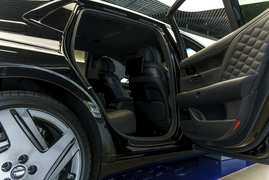
Accompanying the WRX S4 in its departure is the S4 STI Sport grade. This special edition, characterized by its enhanced suspension tuning and premium interior appointments, represented the zenith of the WRX S4’s performance capabilities in Japan. Its discontinuation signifies a broader strategic recalibration by Subaru, one that acknowledges the shifting realities of the Japanese automotive market.
The official statement from Subaru Japan provided a clear, albeit concise, explanation for the cessation of production: “Regarding the current model, we will cease accepting new orders as of May 18, 2026, due to the end of production.” This straightforward pronouncement belies the complex interplay of regulatory and market forces that have necessitated such a significant decision.
While Subaru has remained tight-lipped regarding the precise contours of its future WRX strategy for the Japanese market, the timing of this announcement coincides with the increasing stringency of noise and emissions regulations. These evolving standards are compelling automakers to re-evaluate their product portfolios, particularly for performance-oriented vehicles that often rely on traditional internal combustion engine (ICE) architectures.
The implications of this move extend beyond the Japanese archipelago. For enthusiasts and industry observers in the United States, the decision raises a critical question: What does this mean for the WRX models sold in America? As of now, Subaru of America has offered no comment on the matter, leaving the status of the U.S.-market WRX—including the manual transmission variants and the tS and GT trims—in a state of uncertainty.
Unraveling the Regulatory Tapestry
The primary catalyst behind Subaru’s decision in Japan appears to be the increasingly rigorous regulatory framework governing vehicle emissions and noise levels. As the world’s third-largest automotive market, Japan has implemented stricter standards to curb vehicular pollution and mitigate noise disturbances in urban environments. These regulations, while laudable in their environmental objectives, present significant engineering challenges for manufacturers relying on traditional ICE powertrains.
The WRX’s signature 2.4-liter turbocharged boxer engine, while celebrated for its unique character and performance credentials, is also at the heart of the issue. The combination of turbocharging and Boxer configuration, while iconic, can produce higher noise levels and more complex emissions profiles compared to conventional engine layouts. Meeting the latest Japanese regulations with this specific powertrain configuration may require substantial and costly engineering modifications that could compromise the WRX’s performance identity.
According to reports from Japanese automotive media outlets, including Creative Trend, Subaru models equipped with the 2.4-liter turbocharged flat-four engine will be phased out in Japan by the end of 2026. This timeline aligns perfectly with the May order closure for the WRX S4, suggesting a comprehensive review of the brand’s entire product lineup that utilizes this engine.
The strategic implications of this regulatory shift are profound. For Subaru, a company whose brand identity is inextricably linked to the Boxer engine and all-wheel-drive performance, this represents a significant inflection point. The need to adapt to these evolving standards forces a re-evaluation of where and how the brand can continue to offer its core products while maintaining its competitive edge.
The U.S. Market: A Different Regulatory Equation
While the regulatory pressures in Japan are clearly a driving force behind this decision, it is crucial to recognize that the automotive regulatory landscape varies significantly across different markets. In the United States, the compliance requirements for emissions and noise levels differ from those in Japan. Consequently, the end of the WRX S4 in Japan does not automatically portend the demise of the WRX in America.
Subaru of America operates within a regulatory framework that, while also trending towards stricter emissions standards, has not yet imposed the same immediate constraints on vehicles like the WRX. This divergence in regulatory approaches creates a bifurcated future for the WRX, where its availability and configuration may differ markedly depending on the market.
The U.S. market has historically been a stronghold for the Subaru WRX, particularly for enthusiasts who prefer the engagement and control offered by a manual transmission. The manual-equipped WRX variants, which are not currently offered in Japan, remain a key component of the American lineup. This distinction underscores the importance of understanding that the WRX’s fate is not monolithic but rather a collection of market-specific strategies.
However, the lack of an official statement from Subaru of America regarding the Japanese announcement is notable. While it may simply reflect the company’s policy of not commenting on potential future product changes in other markets, it does little to quell the speculation surrounding the long-term viability of the WRX in the U.S.
The industry trend towards electrification is undeniable, and even in markets with less stringent regulations, automakers are increasingly pivoting towards electric vehicle (EV) technology. This broader industry shift will inevitably influence the WRX’s future, even if not immediately dictated by regulatory mandates.
The Allure of Electrification: Subaru’s EV Ambitions
Adding another layer of complexity to this narrative is Subaru’s emerging presence in the electric vehicle space. The company has already embarked on its electrification journey with the introduction of the Solterra, an all-electric SUV developed in partnership with Toyota. This foray into the EV market signals Subaru’s commitment to transitioning towards more sustainable mobility solutions.
Furthermore, the Trailseeker EV is reportedly being produced at the same facility where the WRX S4 is currently manufactured. This production synergy suggests that Subaru is actively repurposing its manufacturing infrastructure to accommodate the demands of EV production. As the company ramps up its EV output, it may face difficult decisions regarding the allocation of production capacity and resources.
The question naturally arises: Will the WRX eventually follow the path of electrification? The very notion of an electric Subaru WRX might seem incongruous to traditionalists who cherish the visceral experience of the Boxer engine and manual transmission. However, the automotive industry is replete with examples of iconic nameplates that have successfully transitioned to electric power, albeit often with significant transformations in their core identity.
The prospect of a fully electric WRX presents both opportunities and challenges. On the one hand, an EV powertrain could offer instant torque and a lower center of gravity, potentially enhancing the WRX’s already impressive handling characteristics. On the other hand, the unique auditory and tactile feedback that define the WRX experience would be fundamentally altered, potentially alienating the very enthusiast base that has sustained the model for decades.
Piecing Together the Puzzle: Future WRX Lineup Speculation
While Subaru remains tight-lipped about the specific details of its future WRX strategy, industry whispers and forward-looking intelligence offer tantalizing glimpses of what might be in store. The most significant revelation is the potential return of a manual transmission option for the WRX in the U.S. market.
Reports suggest that new WRX trims will resume production in 2026, and the inclusion of a manual transmission option would be a welcome development for purists. This would signal Subaru’s recognition of the enduring appeal of driver engagement and manual control, even as the industry grapples with the transition to electrification.
The precise configuration of the future WRX lineup remains a subject of intense speculation. It is likely that Subaru will implement a tiered approach, catering to different market segments and preferences. The manual transmission variants would likely appeal to the core enthusiast base, while CVT-equipped models with advanced driver-assistance features would target the mainstream market.
The potential introduction of a fully electric WRX, perhaps as a halo model or a dedicated performance EV, cannot be entirely discounted. Such a vehicle could serve as a technological showcase for Subaru’s EV capabilities while also honoring the WRX’s performance legacy. However, the timing and positioning of such a model would be critical to avoid alienating the brand’s loyal following.
Adding further intrigue to the mix is the continued presence of the WRX STI S# variant in Japan. This limited-edition model, which was revealed at the Tokyo Auto Salon last year, is slated to be produced in a limited run of 600 units. Its continued availability, even as the mainstream WRX S4 is discontinued, suggests that Subaru recognizes the value of its performance heritage and is committed to offering limited-edition, enthusiast-focused models that capitalize on that legacy.
The Competitive Landscape: Navigating a Crowded Field
The Subaru WRX operates within a fiercely competitive segment of the automotive market. Its primary rivals—the Honda Civic Type R and the Volkswagen Golf