
The All-New 2026 Pontiac Solstice: A Bold Return to American Roadsters
When General Motors pulled the plug on the Pontiac brand in 2010, it left a void in the hearts of driving enthusiasts who had fallen in love with vehicles like the GTO, the Firebird, and, most notably, the Solstice. This rear-wheel-drive roadster, which debuted for the 2006 model year, wasn’t just a car; it was a statement—a declaration that GM could still build a lightweight, affordable, and genuinely fun-to-drive sports car in the spirit of the classic British and Italian roadsters of old. Now, fast forward to 2026, and whispers of a return are growing louder. With the automotive landscape shifting dramatically towards electrification and autonomous technology, the timing for a reborn Solstice couldn’t be more intriguing. Could a new-generation Pontiac Solstice, perhaps in electric or hybrid form, recapture the magic of the original while navigating the complex demands of the modern market?
A Legacy of Driving Purity
To understand the potential of a 2026 Pontiac Solstice, we must first look back at what made the original so special. Unveiled at the 2002 North American International Auto Show in Detroit, the Solstice concept immediately captured the imagination of the press and the public. It was a bold move by GM’s then-chief car guy, Bob Lutz, who saw a clear market opportunity for a domestic competitor to the segment-dominating Mazda Miata. The production version, which hit showrooms in the fall of 2005, was remarkably faithful to the concept, a rarity in the automotive world where show cars are often watered down for production realities.

The original Solstice was built on GM’s Kappa platform, a purpose-built rear-wheel-drive architecture designed specifically for small sports cars. This was a crucial decision that set the Solstice apart from many of its front-wheel-drive-based competitors. The car’s proportions were classic roadster: a long hood, a short rear deck, and wheels pushed out to the corners. It measured just over 157 inches long, with a wheelbase of 95 inches, giving it a nimble and compact footprint. The width, however, was generous at 71.6 inches, creating a wide, planted stance that lent the car a muscular and aggressive look.
Underneath the skin, the Solstice was a showcase of smart engineering. The chassis featured hydroformed steel framerails running from bumper to bumper, providing exceptional rigidity for a car in its class. This strong foundation allowed for the use of a fully independent suspension system with lightweight aluminum control arms and coil-over dampers. The weight distribution was targeted at an ideal 52/48 front-to-rear split, ensuring balanced handling dynamics.
The original Solstice was powered by a 2.4-liter naturally aspirated Ecotec four-cylinder engine, producing a respectable 170 horsepower and 162 lb-ft of torque. While not earth-shattering by today’s standards, this output was more than adequate for the car’s 2,900-pound curb weight. A five-speed manual transmission was the enthusiast’s choice, offering crisp, direct shifts that made the most of the engine’s modest powerband. An automatic transmission was also available for those who preferred a more relaxed driving experience.
But the Solstice was never about outright speed; it was about the feel of driving. The steering was direct and communicative, providing the driver with a clear sense of what was happening at the tire contact patches. The ride was taut yet compliant, offering a balance of sporty handling and everyday comfort. In a world increasingly dominated by numb, electronically assisted steering and disconnected driving experiences, the Solstice was a refreshing reminder of what pure driving pleasure felt like.
The Return of the Roadster: Why Now?
The automotive landscape of 2026 is vastly different from that of 2006. The rise of the crossover SUV has decimated the market for traditional passenger cars, and the industry is hurtling towards an all-electric future. Yet, despite these trends, there are compelling reasons why a new Pontiac Solstice could find success in the modern era.
Firstly, the Miata remains a global best-seller, proving that a market for affordable, lightweight roadsters still exists. Enthusiasts still crave the engagement and connection that only a traditional front-engine, rear-wheel-drive sports car can provide. As traditional sports car brands like Porsche and Ferrari move increasingly upscale and expensive, a value-oriented option like the Solstice could fill a significant gap in the market.
Secondly, the resurgence of American performance brands, such as the revival of the Dodge Viper nameplate (albeit in limited numbers) and the continued success of the Ford Mustang, demonstrates a renewed appetite for driver-focused vehicles. GM has shown a willingness to invest in niche performance segments, as evidenced by the Chevrolet Camaro and Corvette. A Solstice could be the halo car that revitalizes the Pontiac brand, similar to how the Corvette has served as the technological flagship for Chevrolet.
Thirdly, the shift towards electric powertrains actually presents an opportunity for a new Solstice. Battery electric vehicles (BEVs) offer instant torque and a low center of gravity, characteristics that are ideally suited for a lightweight sports car. Imagine a Solstice with a compact electric drivetrain, providing exhilarating acceleration and precise handling thanks to the low-mounted battery pack. This could allow GM to create a vehicle that is not only fun to drive but also technologically advanced and environmentally responsible.
Furthermore, the retro-modern design trend continues to resonate with consumers. A new Solstice could pay homage to the original’s iconic styling while incorporating modern design language and materials. This blend of nostalgia and innovation could prove to be a winning formula in the marketplace.
Designing the 2026 Solstice: Form Follows Function (and Emotion)
The success of any roadster hinges on its design. The original Solstice was praised for its stunning proportions and timeless aesthetics. A 2026 version would need to capture that same magic while adhering to modern safety regulations and manufacturing processes.
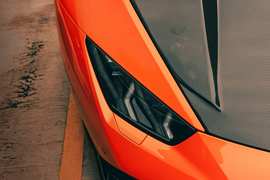
The design philosophy for the new Solstice should be rooted in the same principles that guided the original: a clean, uncluttered exterior, a low-slung profile, and a driver-focused cockpit. The car should be compact and purposeful, exuding a sense of agility and fun. The silhouette should be instantly recognizable as a Solstice, with its characteristic long hood and short rear deck.
Inside, the cockpit should prioritize the driving experience. The dashboard should be driver-centric, with all controls within easy reach. The materials should be of high quality, with a blend of soft-touch surfaces, premium accents, and perhaps some exposed structural elements that hint at the car’s performance capabilities. A digital instrument cluster could provide essential driving information in a modern, customizable format, while a large central touchscreen could handle infotainment and navigation duties.
One of the key design challenges for a modern roadster is balancing the need for safety with the desire for a low-slung profile. The original Solstice met this challenge with clever engineering, and a new version could take advantage of advances in materials science and structural design to achieve the same result. Advanced airbag systems, reinforced A-pillars, and integrated rollover protection could all be incorporated without compromising the car’s sleek lines.
The soft-top mechanism is another critical element of a roadster’s design. The original Solstice featured a manual top that was simple and reliable. A modern version could offer a power-operated top with an optional hardtop for added security and refinement. The goal should be to provide a seamless transition between open-air and closed-cabin motoring, allowing the driver to enjoy the best of both worlds.
Engineering a Modern Masterpiece: Powertrain and Performance
The heart of any sports car is its powertrain, and a 2026 Solstice offers a wealth of possibilities. Given GM’s current product strategy, there are several compelling options to consider.
The Electric Path
The most exciting prospect for a new Solstice would be an all-electric powertrain. GM’s Ultium platform provides a flexible and scalable architecture that could be perfectly adapted for a lightweight sports car. A compact electric motor driving the rear wheels would deliver instant torque and exhilarating acceleration, making the Solstice a true performance machine.
With a battery pack mounted low in the chassis, the car’s center of gravity would be exceptionally low, further enhancing its handling capabilities. The instant torque delivery of an electric motor would make the Solstice feel incredibly responsive and lively, living up to its roadster heritage. The smooth, quiet operation of an EV would also allow the driver to better appreciate the sounds of the road and the feedback from the chassis.
For range anxiety, a compact battery pack could provide a realistic 200-250 miles of range, more than sufficient for spirited weekend drives and daily commuting. Charging could be done at home or at public charging stations, with the ability to add significant range in a short amount of time.
The Hybrid Approach
For those who want the best of both worlds, a hybrid powertrain could be an attractive option. A small internal combustion engine could be paired with an electric motor, providing a blend of performance and efficiency. The electric motor could provide a boost during acceleration, while the internal combustion engine could handle cruising duties, allowing for longer range and more traditional refueling.
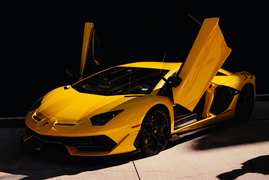
A plug-in hybrid system could further enhance the car’s appeal, allowing for short electric-only trips with the flexibility of a gasoline engine for longer journeys. This approach could appeal to a broader range of buyers who are not yet ready to commit to a fully electric vehicle.