
Revolutionizing Automotive Design: U.S. AI Firm Acquires Majority Stake in Italdesign, Charting a New Course for Vehicle Innovation
For decades, the name Italdesign has been synonymous with automotive artistry, a crucible where visionary concepts are forged into iconic machines that have shaped the very essence of driving. Now, the legendary Italian design house stands at the precipice of a transformative era. In a move poised to redefine the future of vehicle development, a prominent U.S.-based technology and artificial intelligence (AI) firm, UST, has acquired a majority stake in Italdesign. This significant transaction, finalized recently, marks a pivotal moment, ushering in an unprecedented fusion of unparalleled design heritage with cutting-edge AI capabilities. While the Volkswagen Group, which has held a controlling interest in Italdesign since 2010, will retain a minority stake through its subsidiary Lamborghini, this acquisition signals a decisive shift in ownership and strategic direction, paving the way for a new epoch of automotive innovation.
From my vantage point, having spent the last ten years immersed in the intricacies of the automotive industry, I can attest to the profound implications of this Italdesign AI partnership. This isn’t merely a financial transaction; it’s a strategic alliance designed to harness the synergistic power of human creativity and artificial intelligence to accelerate the design and engineering processes. The automotive landscape is evolving at an astonishing pace, driven by the relentless pursuit of efficiency, sustainability, and increasingly, intelligent mobility solutions. In this dynamic environment, the ability to rapidly prototype, iterate, and optimize vehicle designs has become paramount. UST’s expertise in AI, particularly in areas like generative design, simulation, and intelligent data analysis, promises to infuse Italdesign with a potent new arsenal, enabling them to tackle complex design challenges with unprecedented speed and precision.
The genesis of this acquisition lies in the inherent alignment of vision between UST and Italdesign. While Italdesign has built its illustrious reputation on the back of masterful craftsmanship and an uncanny ability to translate abstract ideas into tangible, aesthetically captivating vehicles, UST brings a wealth of experience in applying artificial intelligence to solve complex engineering problems. Their approach to integrating AI into product development cycles is not about replacing human ingenuity but augmenting it. Imagine AI algorithms capable of exploring thousands of design permutations in mere hours, identifying optimal aerodynamic profiles, material compositions, and even interior layouts based on vast datasets of user preferences and performance metrics. This is the future that UST and Italdesign are poised to co-create.
For those unfamiliar with the sheer breadth of Italdesign’s legacy, its impact on automotive history is nothing short of monumental. The firm’s design studios have been the birthplace of some of the most indelible automotive icons. Think of the sharp, purposeful lines of the BMW M1, a mid-engine marvel that blended German engineering with Italian flair. Consider the unforgettable, stainless-steel silhouette of the DMC DeLorean, forever etched in cinematic history. Or the sensuous curves of the Lotus Esprit, a sports car that embodied pure driving pleasure. Even beyond these headline-grabbing exotics, Italdesign has been instrumental in shaping the foundational designs of mass-market vehicles, including early iterations of the Volkswagen Golf, Jetta, and Passat, cars that have become household names and pillars of automotive accessibility. This rich tapestry of design excellence provides an unparalleled foundation upon which UST can now build.
The implications for the broader automotive sector are far-reaching. As the industry grapples with the transition to electric vehicles, autonomous driving, and the increasing demand for personalized mobility experiences, the role of design and engineering becomes even more critical. Italdesign, under the new majority ownership of UST, is strategically positioned to become a leading force in developing the next generation of vehicles. The announcement from UST themselves articulates a clear ambition: to be the pioneers in developing all the necessary hardware and software for a vehicle entirely in-house. This vertical integration, empowered by AI, represents a significant leap forward. It suggests a future where design, engineering, and digital integration are not siloed departments but are seamlessly interwoven from the conceptual stage.
This strategic partnership also opens up exciting possibilities for AI automotive design solutions. The ability to leverage AI for rapid concept generation, virtual prototyping, and sophisticated simulation will dramatically shorten development cycles. This translates to faster market entry for new vehicles, greater flexibility in adapting to evolving consumer demands, and the potential for more innovative and user-centric designs. For automotive manufacturers looking to stay ahead of the curve, partnering with or benefiting from the innovations of Italdesign and UST will become increasingly attractive. The prospect of “automotive AI design consultancy” services, offering bespoke AI-driven design strategies, is likely to emerge as a significant offering.
Furthermore, the geographical aspect of this acquisition, with a U.S.-based firm taking majority control of a storied Italian design house, underscores the globalized nature of innovation. While Italdesign will undoubtedly retain its Italian soul and its reputation for exquisite aesthetics, the integration of UST’s technological prowess from California promises a potent blend of cultures and expertise. This cross-pollination is precisely what drives breakthroughs. We can anticipate a new wave of design languages that are not only visually stunning but also deeply intelligent and responsive to the user and the environment. This could manifest in everything from adaptive interior configurations to exterior designs that dynamically adjust for optimal aerodynamics based on real-time driving conditions.
The question of what this means for specific markets, such as automotive design services in the USA or AI in car manufacturing, is also pertinent. UST’s U.S. base suggests a strong inclination to leverage and potentially expand their operations and client base within North America. This could lead to increased collaboration with American automakers and suppliers, fostering a more integrated ecosystem of AI-driven automotive innovation. For businesses seeking to implement advanced AI strategies in their product development, the expertise now consolidated within Italdesign under UST’s leadership will be a highly sought-after commodity.
The term “legacy automotive design” takes on a new dimension with this acquisition. It’s no longer solely about preserving and evolving traditional design principles. It’s about infusing that heritage with the predictive power and generative capabilities of artificial intelligence. This is where the concept of “generative AI automotive” truly comes into play. Instead of designers meticulously sketching every curve, AI can generate countless variations based on specified parameters, allowing designers to focus on refining the most promising concepts and ensuring the emotional connection that good design evokes. This collaborative approach between human intuition and machine intelligence is the future of AI driven vehicle design.
For automotive enthusiasts and industry watchers, the developments at Italdesign will be keenly observed. The iconic status of their past creations guarantees a high level of public interest. The question is no longer if AI will play a significant role in automotive design, but how it will be implemented. This acquisition by UST offers a compelling case study. It demonstrates a commitment to a holistic integration of AI, aiming to revolutionize not just the aesthetics but also the functionality, performance, and overall user experience of future vehicles. We might even see discussions around “AI design patents” becoming more prevalent as novel AI-generated design elements emerge.
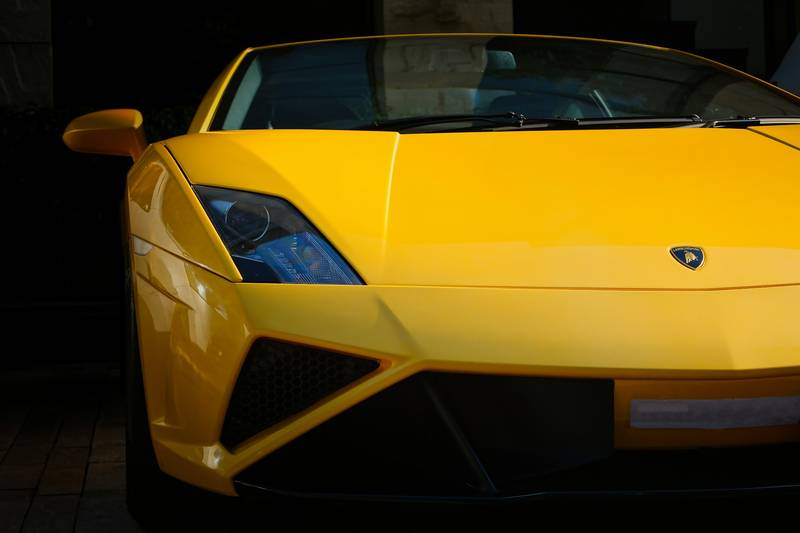
The strategic partnership with Lamborghini, a brand renowned for its performance and exotic appeal, suggests that the applications of this AI-enhanced design process will extend to the highest echelons of the automotive market. This can then trickle down, informing the design of more accessible vehicles. The ability to optimize for performance, luxury, and even hypercar-level exclusivity through AI-driven design will be a powerful differentiator.
From a business perspective, this move by UST is a bold declaration of intent to be at the forefront of the automotive revolution. The investment in a company with the pedigree of Italdesign signals a long-term commitment to shaping the future of mobility. As the industry navigates the complexities of electrification, autonomous systems, and increasingly sophisticated connectivity, the demand for specialized design and engineering expertise will only grow. The ability to offer end-to-end solutions, from initial AI-powered concept generation to final production-ready design, will be a significant competitive advantage. This positions UST and Italdesign as key players in the future of automotive engineering.
The nuances of this transition are important to understand. The Volkswagen Group’s decision to retain a stake through Lamborghini indicates a continued belief in the value Italdesign brings, particularly in enhancing their high-performance offerings. Audi’s continued involvement as a strategic partner and client further solidifies Italdesign’s role within the broader VW ecosystem, but now with a distinct focus on collaborating with UST’s AI capabilities. This ensures that the practical application of Italdesign’s expertise, augmented by AI, will be integrated into real-world vehicle development.
The era of AI in automotive design is no longer a theoretical concept; it is rapidly becoming a tangible reality. Companies like UST, with their forward-thinking approach and significant investments, are leading the charge. The acquisition of a majority stake in Italdesign is a testament to the recognition that true automotive innovation in the 21st century requires a profound integration of human creativity, engineering excellence, and the transformative power of artificial intelligence. This is a pivotal moment, and the automotive world will be watching with great anticipation to see the groundbreaking vehicles that emerge from this powerful new alliance.
The journey of Italdesign is now entering an exhilarating new chapter, one that promises to redefine the boundaries of what’s possible in automotive design and engineering. For manufacturers, designers, and consumers alike, this strategic convergence of heritage and future technology heralds an exciting new dawn for the automobile.
As the automotive industry continues its rapid evolution, staying at the forefront of innovation is paramount. If you are a forward-thinking automotive manufacturer, a technology provider, or a visionary designer looking to harness the power of AI and cutting-edge design, now is the time to explore how this groundbreaking partnership can shape your future. Reach out to learn more about how the integrated expertise of UST and Italdesign can accelerate your path to creating the vehicles of tomorrow.


