
Nissan’s e-Power Hybrid System: A U.S. Debut Promising EV-Like Driving Dynamics for the 2027 Rogue
For years, the automotive landscape in the United States has been abuzz with the electrification
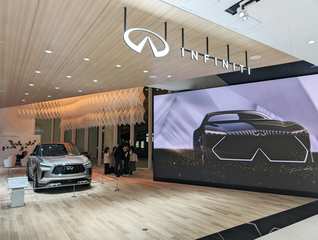 trend, yet Nissan has notably lagged behind in offering mainstream hybrid vehicles. This is set to change dramatically with the imminent arrival of the Nissan e-Power hybrid system, slated to debut in the redesigned 2027 Nissan Rogue compact SUV and its forthcoming Infiniti counterpart. Having experienced this innovative powertrain firsthand in international markets, I can attest to its potential to redefine expectations for hybrid driving in America. My decade-long immersion in the automotive industry, spanning product development and consumer insights, allows me to offer a seasoned perspective on why Nissan’s e-Power hybrid technology is more than just another entry into the crowded hybrid SUV segment; it represents a unique approach designed to bridge the gap between traditional internal combustion engines and full-electric vehicles.
The core principle behind Nissan’s e-Power hybrid system is elegantly simple, yet profoundly different from the parallel hybrid architectures that currently dominate American roads, such as those found in Toyota RAV4 Hybrid and Honda CR-V Hybrid models. Instead of the gasoline engine directly assisting or, at times, propelling the vehicle, the Nissan e-Power system utilizes the internal combustion engine solely as an electricity generator. The wheels, in turn, are exclusively powered by one or more electric motors. This series-hybrid configuration means that drivers experience the instant torque, smooth acceleration, and quiet operation characteristic of an electric vehicle, even though the energy is primarily sourced from gasoline. This distinction is critical and sets Nissan’s offering apart, particularly when considering the growing consumer appetite for fuel efficient SUVs and next-generation hybrid technology.
My initial encounter with the Nissan e-Power was in a European-market Nissan Qashqai, a vehicle that previously graced American shores as the Rogue Sport. This iteration featured a 202-horsepower electric motor driving the front wheels, a compact 2.1-kWh battery, and a turbocharged 1.5-liter three-cylinder gasoline engine. The driving sensation was remarkably akin to a pure EV at lower speeds. The gasoline engine remained dormant, allowing the electric motor to provide seamless and responsive power. It was only when demanding more vigorous acceleration that the engine would audibly engage. However, crucially, its revolutions were decoupled from the vehicle’s speed, maintaining a consistent and unobtrusive hum as it efficiently replenished the battery. This intelligent operation minimizes the often-jarring NVH (Noise, Vibration, and Harshness) typically associated with traditional hybrids, creating a more serene and refined cabin experience. For those seeking a new Nissan SUV with advanced powertrain options, the implications are substantial.
The upcoming U.S.-spec 2027 Rogue will elevate this experience further. It’s slated to receive an all-wheel-drive dual-motor setup, promising increased power output. While the gasoline engine will remain the same 1.5-liter three-cylinder unit, its role as a dedicated generator remains central to the e-Power hybrid system. This configuration is designed to provide robust performance without compromising the EV-like driving feel. The implications for families and commuters in areas like Nissan Rogue hybrid Los Angeles or hybrid SUV sales New York are significant, offering a compelling alternative to existing options. The ability to deliver a responsive, quiet, and potentially more efficient drive positions the e-Power Rogue as a strong contender in the highly competitive compact SUV market.
One of the most lauded aspects of the Nissan e-Power system is its refined regenerative braking. Much like in pure EVs, drivers benefit from a broader spectrum of adjustable regenerative braking levels. This allows for more aggressive deceleration without needing to touch the brake pedal, enhancing energy recovery and contributing to overall efficiency. This feature provides a tangible benefit that EV drivers have come to appreciate, and its inclusion in a hybrid system makes the transition for consumers more intuitive and rewarding. This nuanced control over energy regeneration is a key differentiator, especially when contrasted with the often more abrupt or less adjustable systems found in other hybrids. For consumers researching best hybrid SUVs 2027 or Nissan hybrid SUV price, this feature adds considerable appeal.
trend, yet Nissan has notably lagged behind in offering mainstream hybrid vehicles. This is set to change dramatically with the imminent arrival of the Nissan e-Power hybrid system, slated to debut in the redesigned 2027 Nissan Rogue compact SUV and its forthcoming Infiniti counterpart. Having experienced this innovative powertrain firsthand in international markets, I can attest to its potential to redefine expectations for hybrid driving in America. My decade-long immersion in the automotive industry, spanning product development and consumer insights, allows me to offer a seasoned perspective on why Nissan’s e-Power hybrid technology is more than just another entry into the crowded hybrid SUV segment; it represents a unique approach designed to bridge the gap between traditional internal combustion engines and full-electric vehicles.
The core principle behind Nissan’s e-Power hybrid system is elegantly simple, yet profoundly different from the parallel hybrid architectures that currently dominate American roads, such as those found in Toyota RAV4 Hybrid and Honda CR-V Hybrid models. Instead of the gasoline engine directly assisting or, at times, propelling the vehicle, the Nissan e-Power system utilizes the internal combustion engine solely as an electricity generator. The wheels, in turn, are exclusively powered by one or more electric motors. This series-hybrid configuration means that drivers experience the instant torque, smooth acceleration, and quiet operation characteristic of an electric vehicle, even though the energy is primarily sourced from gasoline. This distinction is critical and sets Nissan’s offering apart, particularly when considering the growing consumer appetite for fuel efficient SUVs and next-generation hybrid technology.
My initial encounter with the Nissan e-Power was in a European-market Nissan Qashqai, a vehicle that previously graced American shores as the Rogue Sport. This iteration featured a 202-horsepower electric motor driving the front wheels, a compact 2.1-kWh battery, and a turbocharged 1.5-liter three-cylinder gasoline engine. The driving sensation was remarkably akin to a pure EV at lower speeds. The gasoline engine remained dormant, allowing the electric motor to provide seamless and responsive power. It was only when demanding more vigorous acceleration that the engine would audibly engage. However, crucially, its revolutions were decoupled from the vehicle’s speed, maintaining a consistent and unobtrusive hum as it efficiently replenished the battery. This intelligent operation minimizes the often-jarring NVH (Noise, Vibration, and Harshness) typically associated with traditional hybrids, creating a more serene and refined cabin experience. For those seeking a new Nissan SUV with advanced powertrain options, the implications are substantial.
The upcoming U.S.-spec 2027 Rogue will elevate this experience further. It’s slated to receive an all-wheel-drive dual-motor setup, promising increased power output. While the gasoline engine will remain the same 1.5-liter three-cylinder unit, its role as a dedicated generator remains central to the e-Power hybrid system. This configuration is designed to provide robust performance without compromising the EV-like driving feel. The implications for families and commuters in areas like Nissan Rogue hybrid Los Angeles or hybrid SUV sales New York are significant, offering a compelling alternative to existing options. The ability to deliver a responsive, quiet, and potentially more efficient drive positions the e-Power Rogue as a strong contender in the highly competitive compact SUV market.
One of the most lauded aspects of the Nissan e-Power system is its refined regenerative braking. Much like in pure EVs, drivers benefit from a broader spectrum of adjustable regenerative braking levels. This allows for more aggressive deceleration without needing to touch the brake pedal, enhancing energy recovery and contributing to overall efficiency. This feature provides a tangible benefit that EV drivers have come to appreciate, and its inclusion in a hybrid system makes the transition for consumers more intuitive and rewarding. This nuanced control over energy regeneration is a key differentiator, especially when contrasted with the often more abrupt or less adjustable systems found in other hybrids. For consumers researching best hybrid SUVs 2027 or Nissan hybrid SUV price, this feature adds considerable appeal.
 It is essential to reiterate that Nissan’s e-Power vehicles are not plug-in hybrids. They are refueled with gasoline, just like any conventional vehicle or traditional hybrid. The primary difference lies in how that gasoline energy is utilized. The true test, and indeed a significant point of consumer interest, will be the fuel economy figures Nissan will achieve with the e-Power hybrid system in the U.S. market. The company asserts that the Rogue Hybrid’s projected fuel efficiency will be competitive with established leaders like the Honda CR-V Hybrid and Toyota RAV4 Hybrid, both of which boast EPA-rated combined figures ranging between 35 and 44 mpg. Achieving or surpassing these benchmarks would solidify the e-Power Rogue as a formidable player, especially in regions where gas prices are a constant concern.
The luxury arm of Nissan, Infiniti, will also be bringing the e-Power technology to its lineup. While details are still emerging, it is highly probable that an Infiniti compact crossover, likely badged as the QX50, will share the same advanced powertrain. This move is particularly strategic for Infiniti, which has been absent from the compact luxury crossover segment since the discontinuation of its previous QX50. Sharing the platform with the Rogue allows for efficient development, but Infiniti is expected to differentiate its offering with a unique exterior design and a more premium interior. The prospect of an Infiniti e-Power SUV brings the sophisticated driving experience of the e-Power system to a more upscale demographic, potentially rivaling offerings from Lexus and other luxury brands. This dual approach ensures that Nissan Motor Corporation is addressing a broad spectrum of the market, from mainstream compact SUVs to premium crossovers, all under the umbrella of its innovative e-Power hybrid.
The introduction of e-Power marks a significant strategic shift for Nissan in the U.S. market. While other manufacturers have been steadily expanding their hybrid portfolios, Nissan has, until now, focused on its all-electric LEAF and the forthcoming Ariya. The company’s approach with e-Power suggests a long-term vision that leverages its electrification expertise without forcing immediate adoption of fully electric vehicles for all consumers. This phased introduction, starting with popular segments like the compact SUV, allows Nissan to build consumer familiarity and trust with its unique hybrid technology. For businesses looking for fleet vehicles with enhanced fuel efficiency or families seeking a more sustainable commute without the range anxiety of EVs, the Nissan e-Power hybrid SUV presents a compelling new option.
The competitive landscape for hybrid SUVs in the U.S. is fierce. Rivals like the Toyota RAV4 Hybrid, Honda CR-V Hybrid, Hyundai Tucson Hybrid, and Kia Sportage Hybrid have established strong market positions with proven reliability and excellent fuel economy. Nissan’s challenge will be to not only match these benchmarks but to articulate the unique benefits of its e-Power system—namely, the EV-like driving experience—to a discerning consumer base. The success of the Nissan Rogue hybrid and its Infiniti counterpart will depend on several factors: competitive pricing, robust real-world fuel economy, and effective marketing that highlights the distinct advantages of series-hybrid technology. Prospective buyers researching Nissan Rogue hybrid reviews or Infiniti hybrid SUV price will be looking for validation of these aspects.
Beyond the immediate introduction of the 2027 Nissan Rogue e-Power, the implications of this technology extend further. Nissan has signaled its commitment to electrification across its brands, and the successful deployment of e-Power in its high-volume Rogue model could pave the way for its adoption in other vehicles within the Nissan and Infiniti lineups. This could include sedans, larger SUVs, and potentially even performance-oriented models, further diversifying the availability of advanced hybrid powertrains in the American market. The ongoing development of Nissan hybrid technology is a clear indicator of the company’s strategy to remain competitive in an evolving automotive industry.
As we anticipate the arrival of these new Nissan and Infiniti hybrid SUVs, the automotive industry is keenly watching. The e-Power system represents a bold and distinct path to hybridization, one that prioritizes the driving experience by mimicking the characteristics of an electric vehicle. While the ultimate success will be measured by sales figures, consumer satisfaction, and sustained fuel efficiency, my experience suggests that Nissan has a compelling product on its hands. For those in the market for a new SUV, particularly those intrigued by the prospect of electric-like acceleration and a quieter ride without the need for charging infrastructure, the upcoming Nissan e-Power hybrid models are undoubtedly worth a closer look.
The prospect of experiencing Nissan’s e-Power hybrid technology in the familiar and popular Rogue platform is exciting. This isn’t merely an incremental upgrade; it’s a fundamental re-imagining of how a hybrid powertrain can deliver a driving experience. As the automotive industry continues its rapid transition toward electrification, Nissan’s strategic introduction of the e-Power system into the U.S. market offers a tantalizing glimpse into the future of hybrid vehicles—one that prioritizes driver engagement and efficiency in equal measure.
It is essential to reiterate that Nissan’s e-Power vehicles are not plug-in hybrids. They are refueled with gasoline, just like any conventional vehicle or traditional hybrid. The primary difference lies in how that gasoline energy is utilized. The true test, and indeed a significant point of consumer interest, will be the fuel economy figures Nissan will achieve with the e-Power hybrid system in the U.S. market. The company asserts that the Rogue Hybrid’s projected fuel efficiency will be competitive with established leaders like the Honda CR-V Hybrid and Toyota RAV4 Hybrid, both of which boast EPA-rated combined figures ranging between 35 and 44 mpg. Achieving or surpassing these benchmarks would solidify the e-Power Rogue as a formidable player, especially in regions where gas prices are a constant concern.
The luxury arm of Nissan, Infiniti, will also be bringing the e-Power technology to its lineup. While details are still emerging, it is highly probable that an Infiniti compact crossover, likely badged as the QX50, will share the same advanced powertrain. This move is particularly strategic for Infiniti, which has been absent from the compact luxury crossover segment since the discontinuation of its previous QX50. Sharing the platform with the Rogue allows for efficient development, but Infiniti is expected to differentiate its offering with a unique exterior design and a more premium interior. The prospect of an Infiniti e-Power SUV brings the sophisticated driving experience of the e-Power system to a more upscale demographic, potentially rivaling offerings from Lexus and other luxury brands. This dual approach ensures that Nissan Motor Corporation is addressing a broad spectrum of the market, from mainstream compact SUVs to premium crossovers, all under the umbrella of its innovative e-Power hybrid.
The introduction of e-Power marks a significant strategic shift for Nissan in the U.S. market. While other manufacturers have been steadily expanding their hybrid portfolios, Nissan has, until now, focused on its all-electric LEAF and the forthcoming Ariya. The company’s approach with e-Power suggests a long-term vision that leverages its electrification expertise without forcing immediate adoption of fully electric vehicles for all consumers. This phased introduction, starting with popular segments like the compact SUV, allows Nissan to build consumer familiarity and trust with its unique hybrid technology. For businesses looking for fleet vehicles with enhanced fuel efficiency or families seeking a more sustainable commute without the range anxiety of EVs, the Nissan e-Power hybrid SUV presents a compelling new option.
The competitive landscape for hybrid SUVs in the U.S. is fierce. Rivals like the Toyota RAV4 Hybrid, Honda CR-V Hybrid, Hyundai Tucson Hybrid, and Kia Sportage Hybrid have established strong market positions with proven reliability and excellent fuel economy. Nissan’s challenge will be to not only match these benchmarks but to articulate the unique benefits of its e-Power system—namely, the EV-like driving experience—to a discerning consumer base. The success of the Nissan Rogue hybrid and its Infiniti counterpart will depend on several factors: competitive pricing, robust real-world fuel economy, and effective marketing that highlights the distinct advantages of series-hybrid technology. Prospective buyers researching Nissan Rogue hybrid reviews or Infiniti hybrid SUV price will be looking for validation of these aspects.
Beyond the immediate introduction of the 2027 Nissan Rogue e-Power, the implications of this technology extend further. Nissan has signaled its commitment to electrification across its brands, and the successful deployment of e-Power in its high-volume Rogue model could pave the way for its adoption in other vehicles within the Nissan and Infiniti lineups. This could include sedans, larger SUVs, and potentially even performance-oriented models, further diversifying the availability of advanced hybrid powertrains in the American market. The ongoing development of Nissan hybrid technology is a clear indicator of the company’s strategy to remain competitive in an evolving automotive industry.
As we anticipate the arrival of these new Nissan and Infiniti hybrid SUVs, the automotive industry is keenly watching. The e-Power system represents a bold and distinct path to hybridization, one that prioritizes the driving experience by mimicking the characteristics of an electric vehicle. While the ultimate success will be measured by sales figures, consumer satisfaction, and sustained fuel efficiency, my experience suggests that Nissan has a compelling product on its hands. For those in the market for a new SUV, particularly those intrigued by the prospect of electric-like acceleration and a quieter ride without the need for charging infrastructure, the upcoming Nissan e-Power hybrid models are undoubtedly worth a closer look.
The prospect of experiencing Nissan’s e-Power hybrid technology in the familiar and popular Rogue platform is exciting. This isn’t merely an incremental upgrade; it’s a fundamental re-imagining of how a hybrid powertrain can deliver a driving experience. As the automotive industry continues its rapid transition toward electrification, Nissan’s strategic introduction of the e-Power system into the U.S. market offers a tantalizing glimpse into the future of hybrid vehicles—one that prioritizes driver engagement and efficiency in equal measure.
 To truly understand the potential of Nissan’s innovative approach to hybrid propulsion, we encourage you to stay informed as more details emerge. Explore the specifications, read in-depth reviews upon release, and, most importantly, experience the 2027 Nissan Rogue e-Power or its Infiniti counterpart firsthand when they become available at your local Nissan or Infiniti dealership. Taking a test drive will offer the most authentic perspective on how this groundbreaking series-hybrid system can enhance your daily commute and redefine your expectations for a hybrid vehicle.