
The Future of Combustion Engines: Audi’s CEO Charts a Course Through Electrification Uncertainty
In a landscape marked by shifting priorities and stalled EV adoption, the automotive industry is grappling with a fundamental question: What role will internal combustion engines (ICE) play in the coming decade? As Audi navigates this evolving terrain, CEO Gernot Döllner has offered a clear perspective, signaling that gas-powered vehicles will remain a cornerstone of the brand well into the 2030s. This strategic pivot, driven by faltering EV sales and sustained consumer demand for traditional powertrains, underscores a broader industry recalibration, particularly in the United States.
The U.S. market has experienced a significant correction in EV sentiment. What was once seen as an inexorable march toward electrification has encountered considerable resistance, primarily due to economic factors and shifting consumer preferences. The elimination of the federal EV tax credit in late 2025 acted as a catalyst, exposing the fragility of EV demand when subsidies are removed. Consequently, sales plummeted, forcing automakers to re-evaluate their bold electrification timelines. Audi, like many others, has adjusted its strategy, embracing a more flexible, pragmatic approach that acknowledges the enduring appeal of internal combustion.
Döllner’s insights reveal a company acutely aware of market dynamics. He articulated a clear belief that the U.S. is experiencing a “swing back” toward ICE vehicles, a trend that necessitates a more diversified powertrain strategy. This flexibility, he argues, will ultimately benefit Audi by allowing it to cater to a broader range of customer needs and preferences. The company is not abandoning electrification, but rather integrating it into a comprehensive portfolio that includes increasingly sophisticated hybrid systems. This balanced approach allows Audi to maintain its competitive edge while navigating the uncertainties of the transition period.
Geographical Nuances in the EV Landscape
While the U.S. market exhibits a clear preference for ICE vehicles, the global picture is far more varied. In China and Europe, EV adoption has progressed at a significantly faster pace, driven by stringent regulations, substantial government incentives, and evolving consumer attitudes. This divergence creates a complex operational environment for global automakers like Audi, which must simultaneously serve these disparate markets.
However, Döllner cautions against viewing the U.S. as an isolated “gas-powered island.” He emphasizes that market dynamics are constantly evolving, and what appears definitive today may shift tomorrow. China, for instance, despite its EV leadership, is experiencing a notable trend toward extended-range electric vehicles (EREVs) and plug-in hybrids, indicating a nuanced understanding of electrification. This suggests that even in the most advanced EV markets, a pure battery-electric future is not a foregone conclusion.
The implications for Audi are clear: maintaining a diverse range of powertrain options is essential for long-term success. The company has consequently revised its ambitious all-EV targets, recognizing that a one-size-fits-all approach is ill-suited to the current market reality. This strategic flexibility allows Audi to optimize its product offerings for each region, ensuring that it remains responsive to local demands and preferences.
Refining Existing Platforms: The Path Forward
Rather than embarking on the costly and time-consuming development of entirely new EV platforms, Audi is focusing on enhancing its current ICE and hybrid architectures. This strategy leverages existing investments while allowing for incremental improvements in efficiency and performance. Döllner envisions a future where existing platforms are further hybridized, incorporating advanced electronics and electrification technologies to meet evolving standards.
The A3 and smaller compact models represent a unique case within Audi’s lineup. Driven by regulatory pressures in China and Europe, these vehicles are expected to transition to all-electric powertrains in the early 2030s. This trajectory underscores the continued influence of legislative mandates on automotive development, even as consumer preferences in other markets diverge.
A Pivotal Decision in the Early 2030s
A critical inflection point for Audi’s powertrain strategy will occur in the early 2030s. As Döllner indicates, the company will need to assess the sustained demand for internal combustion engines, particularly in the U.S., to determine whether a next-generation ICE platform is warranted. This decision will be contingent on a thorough analysis of market trends, technological advancements, and regulatory developments.
Despite the uncertainties, Döllner remains committed to Audi’s current two-pronged approach. He firmly believes that maintaining distinct platforms for battery-electric and combustion engine vehicles is the optimal strategy, minimizing compromises and allowing each technology to perform at its best. This strategic clarity provides a stable foundation for Audi’s long-term planning, even as market conditions continue to evolve.
The Enduring Appeal of Performance and Versatility

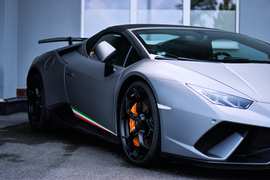
While Audi’s strategic adjustments are primarily driven by market realities, they also open exciting possibilities for enthusiasts. The continued viability of internal combustion engines raises the prospect of high-performance models that push the boundaries of what is possible with traditional powertrains. The R8 supercar, a benchmark in its segment, may yet find a successor, potentially drawing inspiration from the hybrid V-8 technology already present in Lamborghini’s lineup.
Döllner’s vision extends beyond performance-focused vehicles. He envisions a comprehensive Audi lineup that caters to a wide spectrum of needs, from compact city cars like the A2 to rugged SUVs designed for the U.S. market. This holistic approach underscores Audi’s commitment to providing transportation solutions for every segment, ensuring that the brand remains relevant across diverse consumer groups.
The Concept C: A Glimpse into the Future
The Concept C, unveiled at the International Motor Show (IAA) in Munich, represents Audi’s commitment to performance-oriented electric vehicles. This concept serves as a preview of a potential electric sports car slated for a 2027 launch, demonstrating Audi’s continued innovation in the EV space. While the company is embracing ICE for now, it is not abandoning its electrification ambitions. The Concept C represents the cutting edge of Audi’s electric performance capabilities, offering a tantalizing glimpse of what the future holds.
The SUV Renaissance: Balancing Ruggedness and Efficiency
The SUV segment continues to dominate sales charts, particularly in the United States. Audi’s exploration of an off-road-focused SUV, potentially based on the Scout platform, reflects the growing demand for vehicles that combine rugged capability with everyday usability. This trend aligns with the broader industry pattern of automakers adapting their portfolios to meet consumer preferences for versatile, capable vehicles.
Navigating the Road Ahead: A Strategic Imperative
The automotive landscape of 2026 is characterized by unprecedented complexity. Automakers must balance the immediate demands of the market with long-term strategic planning, all while navigating a rapidly evolving technological and regulatory environment. Audi’s approach, characterized by flexibility, pragmatism, and a commitment to innovation, provides a compelling model for navigating this challenging period.
The enduring appeal of internal combustion engines, particularly in the U.S. market, necessitates a nuanced strategy that acknowledges the realities of consumer preferences. Simultaneously, Audi’s continued investment in electrification ensures that it remains at the forefront of technological advancements, ready to capitalize on opportunities as they arise.
Conclusion: A Balanced Path to Electrification
Audi’s CEO Gernot Döllner has articulated a clear and pragmatic vision for the company’s powertrain strategy, one that acknowledges the enduring strength of internal combustion engines while embracing the inevitability of electrification. In the United States, gas-powered vehicles will remain a cornerstone of Audi’s lineup well into the 2030s, driven by sustained consumer demand and the need for a flexible, adaptable approach.
This strategy allows Audi to serve diverse markets effectively, catering to the varying needs and preferences of consumers across the globe. The company’s focus on refining existing platforms, rather than immediately developing new ones, reflects a prudent allocation of resources, while its commitment to innovation ensures that it remains at the forefront of technological advancements.

As the automotive industry continues to evolve, Audi’s balanced approach provides a compelling roadmap for navigating the complexities of the transition to electrification. By embracing flexibility, prioritizing consumer needs, and investing in both traditional and emerging technologies, Audi is well-positioned to thrive in the dynamic landscape of the coming decade. The future of the automobile will not be defined by a single powertrain, but by a diverse portfolio of vehicles that cater to the evolving needs of consumers around the world.