What is the Status of Audi’s EV Strategy in the Mid-2020s?
The automotive industry is currently navigating a period of significant transition, with the long-anticipated shift to electric vehicles (EVs) experiencing unexpected turbulence. While the mid-2020s were expected to mark the full ascendancy of electric powertrains, the reality on the ground has proven far more complex. Sales growth for EVs has faltered in key markets, leading many automakers to re-evaluate their aggressive electrification timelines. This pivot has resulted in a diverse and sometimes confusing product landscape, where traditional gasoline-powered vehicles, hybrids, and fully electric models coexist. As manufacturers grapple with this uncertainty, the decisions made over the next decade regarding the balance between internal combustion engines (ICE) and electric powertrains will be critical to shaping the future of the industry. We recently sat down with Gernot Döllner, CEO of Audi, to gain insight into the brand’s strategy during this pivotal period. His perspective highlights a pragmatic approach that acknowledges the enduring popularity of gasoline engines, particularly in the United States, and emphasizes the need for flexibility in powertrain development.
Döllner’s analysis points to a notable shift in market dynamics. While EVs had been making steady gains in the U.S. market, the elimination of the federal EV tax credit by the Trump administration in late 2025 dealt a significant blow to consumer demand. This policy change triggered a sharp decline in EV sales toward the end of the year, prompting several major automakers to reassess and, in some cases, delay or cancel planned EV launches for the North American market. The implications of this shift extend far beyond a temporary sales dip; they force a fundamental reconsideration of long-term product planning and investment strategies.
The impact of these market fluctuations is not uniform across the globe. In China and Europe, the adoption of EVs has progressed at a much faster pace than in the United States. This divergence raises the possibility of a bifurcated global market, where North America remains a stronghold for gasoline-powered vehicles while other regions accelerate toward an all-electric future. However, Döllner does not view this potential divide as an insurmountable challenge. Instead, he emphasizes the dynamic nature of global markets and the need for automakers to adapt to regional specialties.
“Markets are so dynamic, and every market has its specialty,” Döllner observed. He elaborated on the unique characteristics of the U.S. market, noting the strong consumer preference for rugged SUVs and pickup trucks, segments that have traditionally been dominated by ICE powertrains. In contrast, China is recognized as a leader in battery-electric technology but is also showing a resurgence in demand for extended-range electric vehicles (EREVs) and plug-in hybrids. This trend toward hybrid solutions in the Chinese market underscores the complexity of global EV adoption patterns. Döllner concluded, “There are a lot of dynamics, so it isn’t too easy to tell where the road is heading.”
The varying paces of EV adoption across different regions have compelled Audi to adjust its original timeline. The company had previously announced plans to transition to an all-electric lineup by 2033. However, due to the evolving market conditions, particularly the recalibration of the U.S. market, Audi has scaled back this ambitious target. While the U.S. market has been a primary driver of this strategic adjustment, Döllner does not interpret this change as diminishing the importance of the American market. Rather, he believes that the necessity of developing a diverse range of powertrain options will ultimately benefit Audi as a global brand.
“I don’t see an island, I just see that we need the flexibility anyhow,” Döllner stated. This perspective highlights the strategic advantage of maintaining flexibility in powertrain development. In a market characterized by uncertainty, the ability to quickly adapt to changing consumer preferences and regulatory requirements is paramount. For Audi, this means continuing to refine its existing gasoline and hybrid powertrain technologies while simultaneously investing in future EV platforms.
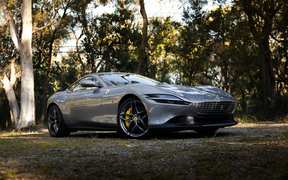
At present, Audi’s strategy focuses on enhancing its current ICE and hybrid offerings. Döllner indicated that the company does not foresee the immediate need for entirely new powertrain platforms. Instead, the emphasis will be on incremental improvements and the integration of advanced electronics to further optimize the performance and efficiency of existing systems. This approach allows Audi to maximize the value of its current investments while monitoring market developments for signals that might necessitate a more significant strategic shift.
While the broader product lineup may continue to feature a mix of ICE and electric options, there are certain segments where the transition to electrification is less ambiguous. Döllner noted that compact vehicles, such as the A3 and smaller models, are likely to become exclusively electric in the early 2030s. This shift is primarily being driven by stringent emissions regulations in China and Europe, which are compelling automakers to phase out ICE powertrains in these vehicle categories.
However, a more significant strategic decision regarding powertrain development is anticipated in the early part of the next decade. Döllner indicated that if market demand for gasoline-powered vehicles, particularly in the United States, remains robust, Audi will need to consider the development of a next-generation platform specifically designed for internal combustion engine vehicles. This decision point underscores the importance of ongoing market analysis and the need to remain responsive to consumer preferences.
Despite the evolving market dynamics, Döllner remains confident in Audi’s current two-pronged powertrain strategy. “We decided to have specific platforms for battery-electric and combustion engines, and I still believe that’s the right way to move,” he affirmed. This approach is rooted in the belief that attempting to create a single platform that can accommodate both ICE and EV powertrains without significant compromises would be counterproductive. The distinct requirements of these two technologies necessitate dedicated platforms to ensure optimal performance and efficiency.
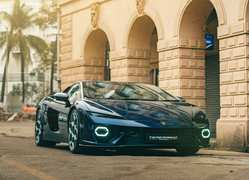
The implications of this strategic flexibility extend to the future product portfolio. With Audi open to developing internal-combustion powertrains well into the next decade, enthusiasts may wonder about the possibility of a successor to the iconic R8 supercar. Rumors had circulated in the previous year suggesting that Audi might develop a hybrid V-8-powered counterpart to the Lamborghini Temerario. While Döllner did not explicitly confirm the development of a new supercar, he did not rule out the possibility.
“That’s someday thinkable,” Döllner mused, before offering a broader perspective on the potential scope of Audi’s future product lineup. He envisions a range of vehicles that would exemplify the brand’s versatility and ability to cater to diverse market needs. This vision includes a compact, highly efficient city car, potentially in the vein of the A2, alongside high-performance supercars. Furthermore, the portfolio would encompass a spectrum of SUVs, from smaller models to rugged, off-road-capable vehicles designed for markets like the United States. “The perfect thing is that I can imagine an Audi from the A2, very efficient city car, to a super sports car, from a small SUV to a rugged SUV in the U.S., that would also fit the Audi brand,” Döllner stated.
The concept of an off-road-focused SUV has been a recurring topic of discussion, with previous reports suggesting that such a model could be based on the Scout platform. Döllner’s comments indicate that Audi is actively exploring these possibilities. “We are evaluating what are the next steps to take,” he concluded, suggesting that while no definitive decisions have been made, the brand is committed to assessing opportunities that align with its evolving strategy and market demands. The coming years will undoubtedly be pivotal as Audi navigates the complexities of the global automotive landscape and shapes its powertrain strategy for the future.

For consumers looking to make informed decisions in the current market, understanding the nuances of Audi’s evolving powertrain strategy is essential. While the long-term vision points toward a future where electric vehicles play a dominant role, the immediate reality is one of transition. The enduring popularity of gasoline engines, particularly in segments like SUVs and trucks, means that internal combustion and hybrid options will continue to be integral to Audi’s lineup for the foreseeable future. This flexibility allows consumers to choose the powertrain that best suits their needs and preferences, whether it’s the efficiency of a fully electric model or the proven capability of a gasoline-powered vehicle. As Audi continues to refine its existing technologies and evaluate future opportunities, the coming years promise to bring further clarity to the brand’s strategic direction and the evolution of its product portfolio. If you’re considering an Audi, now is an excellent time to explore the diverse range of models available and take advantage of the current market dynamics to find the perfect vehicle for your needs.