
The End of an Era: Subaru’s Mainstream WRX Production Winds Down in Japan, Leaving U.S. Enthusiasts Anxious
The automotive world is abuzz with a significant development from Subaru, a brand synonymous with rally heritage and all-wheel-drive performance. In a move that has sent ripples through the enthusiast community, the Japanese domestic market (JDM) production of the mainstream Subaru WRX is set to conclude. This decision, reportedly driven by stringent new noise and emissions regulations in its home market, raises critical questions about the future of this iconic model, particularly for its loyal following in the United States.
As of May 2026, Subaru is slated to cease accepting new orders for the WRX S4, the sole variant currently offered in Japan. Furthermore, the WRX S4 STI Sport, a higher-performance trim, is also slated for discontinuation with the conclusion of the current production run. This announcement, first brought to light by automotive news outlet CarScoops and subsequently reported by Creative Trend, signals a potential paradigm shift for Subaru’s performance sedan strategy. While Subaru of America has yet to provide official commentary on the implications for the U.S. market, the writing on the wall suggests a period of transition for the WRX lineup.
The Regulatory Squeeze: Why Japan is Phasing Out the Current WRX

The driving force behind this production halt appears to be the increasingly stringent regulatory landscape in Japan. According to Creative Trend, Subaru models equipped with the WRX’s signature turbocharged 2.4-liter flat-four engine will soon be unable to meet the latest noise and emissions standards. This development underscores a global trend where performance vehicles, particularly those with internal combustion engines, are facing unprecedented scrutiny from regulatory bodies worldwide.
In the United States, however, these same regulatory pressures do not yet apply. This disparity in regulatory environments creates a fascinating dichotomy: while Japanese consumers may soon bid farewell to the current-generation WRX, American enthusiasts may continue to enjoy the model, albeit with the prospect of future updates to comply with evolving standards. The timing of this announcement, occurring as Subaru gears up for the 2026 model year, positions it as a pivotal moment in the WRX’s storied history.
A Tale of Two Markets: Understanding the WRX S4 and Its U.S. Counterpart
To fully appreciate the significance of this development, it is essential to understand the nuances of the WRX variants offered in different markets. The Subaru WRX S4, currently the sole WRX model available in Japan, is best analogized to the WRX GT trim in the United States. Both configurations exclusively feature a Continuously Variable Transmission (CVT) and come equipped with a comprehensive suite of performance and luxury features. This focus on automatic transmission and premium appointments reflects Subaru’s strategy to cater to a broader segment of the market in Japan, where the CVT has gained significant traction.
In stark contrast, the U.S. market continues to offer the WRX in its traditional manual transmission configuration, alongside the aforementioned GT trim. The manual option remains a cornerstone of the WRX identity, appealing to purists who value the tactile engagement and driver control that only a stick shift can provide. This divergence in market strategy highlights the different priorities of Subaru’s regional divisions, shaped by distinct consumer preferences and regulatory environments.
The STI S# Anomaly: A Glimmer of Hope for Performance Enthusiasts
Amidst the news of the WRX S4’s discontinuation, a ray of hope emerges in the form of the Subaru WRX STI S#, a limited-edition model recently unveiled at the Tokyo Auto Salon. This high-performance variant, currently listed as “coming soon” on Subaru’s Japanese website, represents a potential swansong for the current-generation WRX in its home market. The STI S#, limited to a production run of just 600 units, is expected to feature a host of performance enhancements, including a revised powertrain, upgraded suspension, and aerodynamic enhancements.
For enthusiasts in Japan, the STI S# offers a final opportunity to acquire a factory-tuned, performance-oriented WRX before the transition to a potentially electrified future. The exclusivity of this model ensures its status as a collector’s item, further amplifying its desirability among Subaru aficionados. While the specifics of the STI S# are still unfolding, its mere existence serves as a testament to Subaru’s enduring commitment to performance driving, even as the automotive landscape shifts towards electrification.
The U.S. Market Under the Microscope: What Does This Mean for American Buyers?
The most pressing question on the minds of U.S. enthusiasts is whether the discontinuation of the Japanese WRX models will have any repercussions for the WRX variants sold stateside. As of now, Subaru of America has offered no official comment, leaving the market in a state of suspense. However, industry analysis suggests a complex and evolving picture.
The initial impact of the Japanese production halt is unlikely to be felt directly by U.S. consumers. The WRX sold in America is manufactured in different facilities and adheres to distinct regulatory standards. Therefore, the cessation of WRX S4 production in Japan will not immediately affect the availability of manual transmission WRX models or the WRX GT trim in the United States.
Nonetheless, the long-term implications remain a subject of intense speculation. The discontinuation of the WRX in Japan could signal a broader strategic pivot for Subaru, one that may eventually influence the U.S. lineup. The company has already signaled its intent to electrify its portfolio, with plans to introduce a range of electric vehicles in the coming years. This transition raises the possibility that the next-generation WRX could feature some form of hybridization or even become a fully electric performance car.
The EV Pivot: Subaru’s Trailseeker and the Electrification of Performance
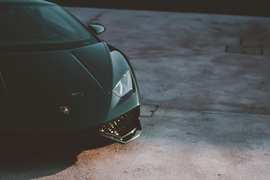
Subaru’s electrification strategy is already taking shape with the introduction of models like the Trailseeker, an electric vehicle slated for production at the same facility where the current WRX is manufactured. This development underscores the company’s commitment to evolving its product lineup to meet global emissions targets and consumer demand for sustainable transportation.
The transition to electric powertrains presents both opportunities and challenges for performance vehicles like the WRX. Electric motors offer instant torque and rapid acceleration, characteristics that align well with the WRX’s performance heritage. However, the traditional Subaru experience—defined by the boxer engine’s unique sound and the mechanical engagement of a manual transmission—is intrinsically linked to internal combustion technology. Replicating this experience in an electric platform will require innovative engineering and a deep understanding of what makes the WRX special to its devoted fanbase.
Resumption on the Horizon? The 2027 Outlook
While the current WRX S4 production is set to conclude in 2026, there is forward-looking intel suggesting that orders for new WRX trims may resume in 2027. This potential restart could coincide with the introduction of a next-generation WRX, one that is potentially redesigned to meet evolving regulatory standards and incorporate new powertrain technologies. The possibility of a manual transmission option’s return in the new lineup is also generating considerable excitement among enthusiasts who have lamented its absence in the current S4 variant.
The 2027 timeframe aligns with industry trends for automotive product cycles, allowing Subaru sufficient time to develop and refine a new WRX that balances performance, efficiency, and compliance with future regulations. Whether this next-generation model will be a traditional internal combustion vehicle, a hybrid, or a fully electric machine remains to be seen. However, the prospect of a new WRX on the horizon provides a sense of continuity for the iconic nameplate.
Lessons from the Past: Subaru’s History of Adaptation
Subaru has a long history of adapting its performance models to meet the evolving demands of the market. The WRX itself is a product of this adaptive spirit, having evolved from its rally roots into a street-legal performance sedan that has captured the hearts of enthusiasts worldwide. Each generation of the WRX has brought with it changes in design, technology, and performance, yet the core identity of the model has remained intact.
This history of adaptation provides a framework for understanding the current situation. Just as Subaru successfully transitioned the WRX from its rally origins to a street-focused performance car, it is now poised to navigate the complexities of the EV transition. The company’s track record of innovation and its commitment to performance suggest that the WRX will continue to be a relevant and exciting model for years to come, even as its underlying technology evolves.
The Enthusiast Community: A Vocal and Enduring Force
The passionate and vocal nature of the Subaru enthusiast community has undoubtedly influenced the company’s decisions. The WRX has cultivated a fiercely loyal following, with owners who are deeply invested in the model’s heritage and performance characteristics. This community has been instrumental in preserving the WRX’s legacy, advocating for manual transmission options, and celebrating the unique qualities that set the model apart.
The discontinuation of the current WRX in Japan, while disappointing to some, has also served to galvanize the community. Discussions about the future of the WRX are taking place across online forums, social media platforms, and enthusiast gatherings, demonstrating the model’s enduring appeal. This collective voice serves as a reminder to Subaru of the importance of the WRX to its fanbase and the need to develop a successor that honors the model’s heritage while embracing the future of automotive technology.
The Competitive Landscape: Navigating a Shifting Market
The automotive market is undergoing a period of significant transformation, with the rise of electric vehicles and the increasing emphasis on sustainability reshaping the competitive landscape. In this environment, Subaru faces the challenge of balancing its performance heritage with the need to adapt to new market realities. Competitors in the performance sedan segment are also grappling with similar challenges, each charting its own course through the transition to electrification.
The