
Subaru WRX STI: The Future of Performance Driving in 2026
The automotive world is buzzing with speculation surrounding the potential revival of the iconic Subaru WRX STI. With recent concept unveilings and a renewed focus on performance engineering, Subaru appears to be listening to its loyal fanbase and exploring new avenues for its legendary performance division. This article delves into the latest developments, industry insights, and expert analysis regarding the future of Subaru STI, offering a comprehensive look at what enthusiasts can expect in the coming years.
The Current Landscape
In the fiercely competitive performance car segment, Subaru has long held a unique position. Its commitment to the boxer engine and symmetrical all-wheel drive has created a devoted following of enthusiasts who appreciate the brand’s distinctive approach to driving dynamics. However, the automotive industry is undergoing a significant transformation, with electrification reshaping the performance landscape.
Subaru, like many manufacturers, is navigating this transition carefully. The company has made strides in the EV market with models like the Solterra, demonstrating its capabilities in electric powertrain technology. Yet, the STI brand represents something more—a legacy of rally-bred performance that has defined the brand for decades.
Breaking News: A Shift in Strategy?
Recent statements from Subaru executives have ignited excitement among fans. Scott Lawrence, general manager of Subaru Australia, reportedly indicated that the STI performance division “isn’t dead,” suggesting a renewed commitment to performance vehicles. This sentiment was echoed in the enthusiastic reception to Subaru’s recent concept models, which showcased the brand’s vision for the future of performance driving.
“The tempo of news and activity out of STI publicly is picking up,” Lawrence noted, hinting at a more active role for the performance division in the coming years. This statement comes after Subaru’s confirmation that the current WRX generation would not receive a full-fledged STI variant, leaving many to wonder about the brand’s future direction.
Concept Cars: A Glimpse into the Future
Subaru’s recent concept cars have offered tantalizing glimpses of what could be in store for the STI brand. The Performance-B and Performance-E concepts, unveiled at the Tokyo auto show, showcase the automaker’s innovative thinking in both internal combustion and electric powertrain technologies.
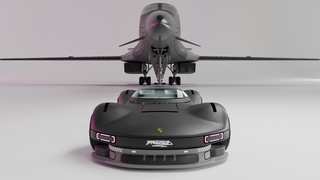
The Performance-B concept, with its advanced internal combustion engine, pays homage to Subaru’s heritage while incorporating modern performance enhancements. This concept demonstrates that Subaru is not ready to abandon its roots, even as it explores new technological frontiers.
The Performance-E concept, on the other hand, represents Subaru’s vision for an electric STI. This concept explores the potential of electric powertrains to deliver thrilling performance, challenging the notion that EVs cannot match the visceral excitement of traditional internal combustion engines.
The Electric STI: A Viable Option?
The prospect of an electric STI has sparked considerable debate among enthusiasts. While some lament the potential loss of the iconic boxer engine, others recognize the performance benefits that electric powertrains can offer.
“Subaru has some experience building and selling electric cars,” Lawrence pointed out, referencing the company’s work on models like the Solterra. This experience could prove invaluable as Subaru explores the possibility of an electric STI. The Solterra, for instance, has demonstrated impressive performance capabilities, reaching 60 mph in a brisk 4.3 seconds—faster than many traditional gasoline-powered sports cars.
While an electric STI would undoubtedly be a departure from tradition, it could also represent an evolution of the brand. Electric powertrains offer instant torque and the potential for advanced all-wheel-drive systems that could rival or even surpass the legendary capabilities of Subaru’s current offerings.
Expert Analysis: The Road Ahead
Industry experts believe that Subaru’s approach to the STI brand in 2026 reflects a strategic pivot in response to market trends and technological advancements.
“Subaru is at a crossroads,” noted automotive analyst Sarah Chen. “They have a loyal following that cherishes their heritage, but they also need to adapt to the realities of the modern automotive industry. The STI brand represents their performance identity, and they need to decide what that identity looks like in the electric era.”
Chen believes that Subaru’s dual-concept approach is a smart move. “By showcasing both an internal combustion concept and an electric concept, they are signaling to the market that they are open to all possibilities. They are not abandoning their heritage, but they are also not afraid to embrace the future.”
The Role of the WRX Platform
The Subaru WRX has long been the foundation for STI models. However, with the current generation’s lack of a full-fledged STI variant, the future of the WRX platform itself is a topic of discussion.
“The WRX platform has been a versatile foundation for STI development,” explained automotive engineer Michael Thompson. “Its symmetrical all-wheel-drive system and boxer engine configuration provide a unique performance advantage. However, as the industry moves towards electrification, the WRX platform may need to evolve to accommodate new technologies.”
Thompson believes that Subaru may need to develop a dedicated performance platform for future STI models. “The current WRX platform is well-suited for internal combustion engines, but it may not be the ideal foundation for an electric performance car. A dedicated EV platform would allow Subaru to optimize the design for battery placement, thermal management, and motor integration.”
Community Feedback: The Driving Force
Subaru’s recent concepts have generated significant feedback from the enthusiast community. This feedback appears to be playing a crucial role in shaping the company’s decisions.
“There has been a significant volume of feedback,” Lawrence acknowledged, referring to the response to the Performance concepts. This indicates that Subaru is actively listening to its customers and incorporating their input into its development process.
Fans have expressed a wide range of opinions, with many eager for a return of the iconic WRX STI badge. Others are open to new ideas, as long as the core values of performance and driving enjoyment are maintained.
Market Dynamics: A Competitive Landscape
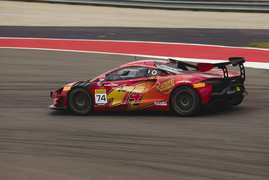
The performance car market in 2026 is more competitive than ever. With the rise of electric hypercars and high-performance EVs from established manufacturers and new startups, Subaru faces significant competition.
“Subaru needs to offer something unique to stand out in this market,” stated automotive marketing specialist Emily Rodriguez. “They can’t just build another fast EV. They need to deliver the Subaru experience—the all-wheel-drive capability, the driver engagement, the rally heritage. That’s what sets them apart.”
Rodriguez believes that Subaru’s best bet is to create an electric performance car that leverages its existing strengths. “An electric STI that combines Subaru’s all-wheel-drive technology with instant torque and advanced handling systems could be a game-changer. It would offer a unique proposition in the market—a practical, all-weather performance car that can compete with the best EVs.”
The Timing Factor
The timing of Subaru’s STI revival appears to be critical. With the automotive industry undergoing a rapid transformation, Subaru needs to make its move soon to capitalize on market opportunities.
“Subaru is making the right moves by exploring its options now,” Thompson noted. “The EV market is maturing rapidly, and there is still room for new players to establish themselves. If Subaru waits too long, they may find it harder to compete.”
The company’s decision to revive the STI brand in 2026 could prove to be a pivotal moment in its history. It would signal a renewed commitment to performance and a willingness to adapt to changing market dynamics.
The Legacy of STI
The Subaru Tecnica International (STI) brand has a storied history dating back to the 1980s. Born from Subaru’s involvement in rally racing, STI has become synonymous with performance, engineering excellence, and driver-focused vehicles.
The original WRX STI, based on the Impreza platform, became a global icon, winning multiple World Rally Championship titles and earning a reputation for its exceptional handling and performance. The brand’s signature blue paint and gold wheels have become instantly recognizable symbols of Subaru’s performance heritage.
Over the years, the STI brand has expanded to include a range of performance models, including the Legacy STI and Forester STI. Each model has embodied the core values of the brand—a focus on driving dynamics, all-wheel-drive capability, and a commitment to performance engineering.
Beyond the Badge: The Driving Experience
For many enthusiasts, the STI brand represents more than just a badge on a car. It represents a driving experience that is both exhilarating and confidence-inspiring.
“The magic of an STI is the way it connects the driver to the road,” explained automotive journalist David Miller. “The symmetrical all-wheel-drive system provides incredible grip and stability, allowing the driver to push the car to its limits with confidence. The boxer engine delivers a unique sound and feel that is instantly recognizable.”
Miller believes that any new STI, whether electric or internal combustion, needs to deliver that same level of driving engagement. “If Subaru can create an EV that provides that same level of driver involvement, they will have a winner. It’s not just about 0-60 times; it’s about the overall driving experience.”
The Production Path
While the Performance concepts offer a glimpse of what’s possible, the path to production for an STI model remains unclear. Subaru has confirmed that the Performance-B is a concept only, but the Performance-E remains a possibility.
“Subaru is keeping its options open,” Lawrence noted, indicating that no final decisions have been made. This measured approach allows the company to gather feedback, assess market conditions, and refine its development strategy.
Thompson believes that Subaru’s production timeline will depend on several factors. “They need to ensure that any new STI model meets their rigorous performance standards. They also need to consider