
Audi’s 2026 Roadmap: The Return of the A2, the Arrival of the Flagship Q9, and a Redesigned Q7
The automotive landscape in 2026 is witnessing a remarkable shift, with legacy automakers like Audi charting ambitious new courses. Far from resting on its laurels, Audi has unveiled a strategic product offensive designed to captivate both traditionalists and EV pioneers. With a projected launch cadence that includes a redesigned Q7, the introduction of the brand-new Q9 flagship SUV, and the revival of an iconic nameplate in the form of the A2 e-tron, the German luxury marque is signaling its intent to dominate the premium segment for the next decade. This deep dive explores these pivotal upcoming models, analyzing their design philosophies, technological underpinnings, and potential market impact, all while keeping a keen eye on the evolving dynamics of the US automotive market.
The most intriguing development in Audi’s 2026 lineup is the confirmed return of the Audi A2 e-tron. This announcement has sent ripples of excitement through the enthusiast community, conjuring memories of the original A2’s innovative spirit. First launched in Europe in 1999, the original A2 was a masterclass in lightweight construction, utilizing an aluminum-intensive monocoque that dramatically reduced curb weight and enhanced fuel efficiency. While it never graced American showrooms during its production run, its avant-garde design—a compact, tall-roofed hatchback that defied easy categorization—established it as a cult classic. Now, 20 years later, Audi is resurrecting the A2 nameplate for a new generation of electric mobility.
The teaser images released by Audi reveal a vehicle that pays respectful homage to its predecessor while embracing contemporary design language. The new A2 e-tron sports a distinctive, almost minivan-like silhouette, characterized by its short overhangs and tall greenhouse, promising exceptional interior space within a compact footprint. This design ethos aligns perfectly with the growing consumer demand for practical, urban-friendly electric vehicles. Underpinning the A2 e-tron is expected to be the Volkswagen Group’s advanced MEB platform, the same scalable architecture that underpins the popular ID.3 and ID.4 models. This commonality will allow Audi to leverage existing economies of scale while infusing the vehicle with its signature premium touches and cutting-edge technology.
The concept of “high efficiency” is central to the A2 e-tron’s identity. Drawing inspiration from the original’s aerodynamic purity, the new model is engineered to maximize range and minimize energy consumption. Early projections suggest a WLTP range exceeding 300 miles on a single charge, making it a compelling option for city dwellers and suburban commuters alike. Furthermore, Audi is promising a suite of digital connectivity features that will seamlessly integrate the vehicle into the modern digital lifestyle. While the A2 e-tron is slated for production at Audi’s Ingolstadt facility and initially targeted at European markets, its potential inclusion in the US lineup is a topic of intense speculation. Given the growing appetite for compact premium EVs in North America, a strategically positioned A2 e-tron could carve out a unique niche, competing with established players like the MINI Cooper Electric and the Chevrolet Bolt EUV, while offering a distinct European luxury experience. The resurrection of the A2 nameplate underscores Audi’s commitment to innovation and its willingness to revisit its heritage to shape the future of electric mobility.
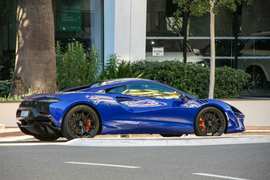
Beyond the intriguing whispers of the A2’s return, the most significant addition to Audi’s 2026 portfolio is the introduction of the 2026 Audi Q9. This all-new model represents a bold stride into the realm of full-size, three-row luxury SUVs, a segment where Audi has historically ceded ground to German rivals like the BMW X7 and the Mercedes-Benz GLS. The Q9 is not merely a size increase; it is a statement of intent, conceived and engineered with the specific demands of the American market at its core. The need for a larger, more opulent SUV has become increasingly apparent as Audi’s US sales figures continue to climb. Consumers are increasingly gravitating towards vehicles that offer commanding road presence, cavernous interior space, and the flexibility to accommodate large families and their associated cargo.
Visually, the Q9 is expected to adopt Audi’s latest design evolution, characterized by a more imposing Singleframe grille, sharper LED lighting signatures, and a more muscular, upright stance compared to its smaller siblings. The interior will undoubtedly be a showcase of Audi’s technological prowess, featuring a fully digital Virtual Cockpit, a multi-screen MMI touch response system, and the highest quality materials, including supple leather, open-pore wood veneers, and brushed aluminum accents. The three-row configuration will offer flexible seating arrangements, with second-row captain’s chairs providing limousine-like comfort and a third row suitable for children or occasional adult passengers.
Under the hood, the Q9 will offer a range of powertrains designed to balance performance with efficiency. The cornerstone of the lineup is expected to be a plug-in hybrid variant, combining a turbocharged V-6 engine with an electric motor to deliver substantial combined horsepower and torque, along with a respectable electric-only range for daily commutes. For the traditionalist seeking visceral performance, a high-performance SQ9 variant is virtually guaranteed. Drawing inspiration from the track-proven engineering of the RS division, the SQ9 could feature a hybridized V-8 engine, potentially producing upwards of 600 horsepower. This would position the SQ9 as a direct competitor to the likes of the BMW X7 M60i and the Mercedes-AMG GLS 63, offering a unique blend of supercar-level acceleration and family-hauling practicality. The introduction of the Q9 is a critical move for Audi, addressing a significant gap in its US lineup and providing a compelling alternative to established full-size luxury SUVs.
Rounding out Audi’s trio of significant 2026 launches is the comprehensive redesign of the Audi Q7. The Q7, which has long served as Audi’s flagship SUV in the US, is entering its third generation with a suite of updates designed to maintain its competitive edge in a rapidly evolving market. The Q7’s mid-cycle refresh was a substantial undertaking, involving not only exterior and interior styling revisions but also a significant overhaul of its powertrain offerings. The exterior design has been sharpened to align with Audi’s current design language, featuring a more prominent Singleframe grille, new Matrix LED headlight designs with distinctive daytime running light signatures, and revised front and rear bumpers that enhance its athletic stance.
Inside, the 2026 Q7 receives a significant technology upgrade, incorporating the latest iteration of Audi’s MMI infotainment system. The previous model’s dual-touchscreen setup has been replaced with a cleaner, more integrated dual-screen configuration, reducing clutter and improving ergonomics. The Virtual Cockpit remains a central feature, offering customizable displays for navigation, media, and vehicle information. In terms of seating, the Q7 continues to offer a flexible three-row layout, with the second and third rows folding flat to create a vast cargo area capable of swallowing skis, luggage, or sports equipment.
Perhaps the most significant changes for the 2026 Q7 lie beneath the skin, where Audi has recalibrated its powertrain strategy. The outgoing turbocharged four-cylinder and supercharged V-6 engines have been retired, replaced by a more sophisticated and efficient lineup. The base model is expected to feature a turbocharged four-cylinder engine with mild-hybrid technology, providing a smooth and responsive driving experience for everyday needs. The mid-range option will likely be a plug-in hybrid variant, pairing a turbocharged four-cylinder or V-6 engine with an electric motor and battery pack to deliver improved fuel economy and the ability to travel short distances on electricity alone. At the pinnacle of the range, the 2026 SQ7 receives a significant powertrain upgrade. The previous model’s supercharged V-6 has been replaced with a new turbocharged V-8 engine, likely augmented with mild-hybrid technology to enhance responsiveness and efficiency. This potent powerplant is expected to deliver horsepower figures well in excess of 500, ensuring the SQ7 remains one of the fastest SUVs in its class. The redesign of the Q7 is a testament to Audi’s commitment to its core models, demonstrating that even established nameplates can benefit from significant updates to maintain their relevance in a competitive market.
The implications of these three significant launches for the US market are far-reaching. The Audi A2 e-tron, should it find its way to American shores, could disrupt the burgeoning compact EV segment, offering a premium alternative to established players. Its focus on efficiency and urban usability aligns with the growing demand for practical electric mobility solutions, particularly in densely populated coastal cities where parking is at a premium and charging infrastructure is more readily available. The A2’s success would depend on a competitive pricing strategy and a clear articulation of its value proposition, but given Audi’s brand cachet and the growing consumer appetite for smaller EVs, it has a strong chance of carving out a dedicated following.

The 2026 Audi Q9 is poised to be a game-changer for the brand in the United States. By entering the full-size luxury SUV segment, Audi is directly challenging the dominance of BMW and Mercedes-Benz, offering consumers a compelling new option in a highly profitable market segment. The Q9’s success will hinge on its ability to deliver on its promise of American-tailored luxury, offering the space, comfort, and technology that discerning buyers expect. If the SQ9 variant lives up to its performance pedigree, it could become a halo vehicle for the brand, attracting attention and admiration while its more practical siblings handle the bulk of the sales volume. The introduction of the Q9 solidifies Audi’s position as a