
Unveiling the Next Generation of Buick Sedans: A Look into GM’s Strategy for the North American Market
In the dynamic landscape of the automotive industry, where consumer preferences are constantly evolving, one nameplate is quietly hinting at a potential return to its roots. For years, Buick has cultivated a reputation for producing reliable and comfortable crossover vehicles, but whispers from industry insiders suggest that the brand may be preparing to re-enter the sedan segment in the United States. This potential shift comes at a pivotal moment, as the industry grapples with the transition to electrification and the ongoing search for the perfect balance between performance, luxury, and efficiency.
The Legacy of Buick Sedans
To fully appreciate the significance of this potential development, it’s essential to look back at Buick’s storied history with sedans. For decades, Buick was synonymous with the American sedan, offering a range of models that catered to a diverse clientele. From the stately LaCrosse to the sporty Regal, Buick’s sedans were known for their comfortable rides, spacious interiors, and understated elegance. These vehicles were a staple of American roadways, representing a time when sedans were the preferred mode of family transportation.
However, the automotive landscape began to shift in the late 2010s. Rising fuel prices, coupled with the increasing popularity of SUVs and crossovers, led to a significant decline in sedan sales. Automakers, including Buick, responded by phasing out their sedan lineups in favor of the more profitable crossover segment. The Regal, once a beloved model, was discontinued in the United States after the 2020 model year, marking the end of an era for Buick sedans in North America.
The Current State of the Market
Today, the United States market is dominated by crossovers and SUVs. These vehicles offer the practicality and versatility that consumers demand, with ample cargo space and a commanding driving position. However, as the industry continues to evolve, a new trend is beginning to emerge. Consumers are increasingly looking for alternatives to traditional SUVs, seeking vehicles that offer a better balance of performance, efficiency, and style.
This shift in consumer preference has created an opening for sedans to make a comeback. While the market for traditional gasoline-powered sedans may be shrinking, there is a growing demand for electric sedans that offer a compelling blend of performance and sustainability. Additionally, luxury automakers are finding success with premium sedans that cater to a niche market of buyers who value driving dynamics and sophisticated design.
Buick’s Global Sedan Portfolio
While Buick may have exited the U.S. sedan market, the brand has not abandoned sedans altogether. In fact, Buick continues to offer a robust lineup of sedans in international markets, particularly in China. These vehicles serve as a testing ground for new technologies and design trends, providing valuable insights into what could work in the U.S. market.
One of the most notable models in Buick’s global portfolio is the LaCrosse. This full-size sedan has been a mainstay of the Buick lineup for years, evolving with each generation to incorporate the latest in automotive technology and design. The current iteration of the LaCrosse features a sleek, modern exterior that reflects Buick’s contemporary design language. Inside, the cabin is a testament to Buick’s commitment to luxury, with premium materials, advanced infotainment systems, and a focus on passenger comfort.
Another significant model is the Regal, which continues to be offered in several international markets. While the Regal’s styling has evolved over the years, it has maintained its reputation as a sporty and engaging sedan. These global models provide Buick with a wealth of engineering data and design inspiration that could prove invaluable as the company contemplates a return to the U.S. sedan market.
The Potential of the Alpha II Platform
A recent report from GM Authority has shed light on the potential underpinnings of a new Buick sedan for the North American market. According to the report, General Motors is evaluating several passenger cars for the U.S., one of which could be a Buick sedan built on the Alpha II platform. This platform is significant because it currently underpins the Cadillac CT4 and CT5, two of GM’s most well-regarded sedans.
The Alpha II platform is known for its rear-wheel-drive architecture and its ability to support both gasoline and electric powertrains. This flexibility is crucial in today’s market, where automakers need to cater to a wide range of consumer preferences. The platform’s rear-wheel-drive bias provides a sporty and engaging driving experience, which could help Buick differentiate its sedan from the competition.
The Cadillac CT4, which is slated to end production later this year, has been praised for its sharp handling and its driver-focused cockpit. The CT5, on the other hand, offers a more luxurious and refined experience, with a focus on comfort and technology. The fact that Buick could leverage this proven platform is a significant advantage, as it would allow the automaker to bring a new sedan to market more quickly and cost-effectively.
The Electric Dimension
The Alpha II platform’s ability to support electric powertrains is particularly relevant in the current market climate. With the automotive industry’s relentless push toward electrification, any new Buick sedan would likely need to offer an electric variant. The platform’s flexibility allows for the integration of battery packs and electric motors, providing a solid foundation for a compelling electric sedan offering.
Furthermore, Buick has already demonstrated its commitment to electrification with the Wildcat EV concept. This stunning concept car showcased Buick’s vision for the future of electric mobility, with a sleek design and advanced aerodynamic features. While the Wildcat EV is a concept and not a production vehicle, it signals Buick’s intent to compete in the EV space and provides a glimpse of the design language that could influence future production models.

The Electra L7: A Glimpse into the Future
Adding further weight to the possibility of a new Buick sedan is the recent introduction of the Electra L7 in international markets. This plug-in hybrid sedan represents a significant step forward for Buick, combining the efficiency of an electric vehicle with the range and flexibility of a traditional gasoline engine. The Electra L7 features a range-extender plug-in hybrid powertrain, allowing it to operate as an EV for daily commutes while offering the convenience of a gasoline engine for longer journeys.
The Electra L7’s powertrain is a testament to Buick’s innovative approach to electrification. By offering a range-extender configuration, Buick is addressing one of the primary concerns of potential EV buyers: range anxiety. This approach allows consumers to experience the benefits of electric driving without the fear of being stranded, making the transition to electric mobility more appealing.
The success of the Electra L7 in international markets could serve as a blueprint for a U.S. market version. The insights gained from the Electra L7’s development and sales could inform the design and engineering of a new Buick sedan for North America, ensuring that any new model is well-suited to the needs and preferences of U.S. consumers.
Design Inspirations: From China to North America
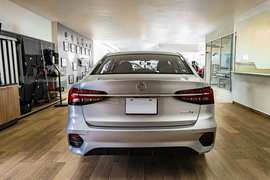
When considering what a new Buick sedan might look like, it’s helpful to look at Buick’s current sedan offerings in China. These models provide valuable insights into Buick’s design philosophy and the types of vehicles that have proven successful in international markets. The Buick LaCrosse, Regal, Verano Pro, and the new Electra L7 all showcase a modern and sophisticated design language that could translate well to the U.S. market.
The Buick sedan lineup in China demonstrates a clear focus on aesthetics and aerodynamics. These vehicles feature sleek, flowing lines, with a low-slung profile that enhances their sporty character. The use of advanced lighting technologies, such as LED headlights and taillights, further accentuates their modern appeal. This design direction aligns with the trends seen in the premium sedan segment, where style and sophistication are highly valued.
Furthermore, the interiors of these Chinese-market Buicks highlight the brand’s commitment to luxury and technology. The cabins are characterized by premium materials, such as leather upholstery and wood trim, creating a sense of opulence. Advanced infotainment systems, with large touchscreens and intuitive controls, are seamlessly integrated into the dashboard. This focus on technology and user experience is essential for any new sedan aiming to compete in the U.S. market.
The U.S. Market Considerations
While the success of Buick sedans in China is encouraging, the U.S. market presents its own unique set of challenges and opportunities. The preferences of U.S. consumers differ from those in China, and any new Buick sedan would need to be tailored to these specific demands.
One of the key considerations is the size and configuration of the sedan. The U.S. market has shown a preference for larger vehicles, and a compact sedan might not be sufficient to capture significant market share. A mid-size or full-size sedan would likely be a more appropriate offering, providing the space and comfort that U.S. consumers expect.
The powertrain configuration is another critical factor. While a plug-in hybrid or fully electric powertrain would be essential for a new Buick sedan, the balance between electric range and gasoline range would need to be carefully calibrated. U.S. consumers are increasingly open to EVs, but many still value the flexibility of a gasoline engine, especially for long-distance travel.
Furthermore, the pricing strategy would need to be competitive. The U.S. sedan market is a crowded space, with established players offering a range of options at various price points. Buick would need to position its new sedan strategically to attract buyers, likely by offering a compelling value proposition that combines luxury, performance, and technology at an attractive price.
The Competitive Landscape

If Buick does decide to re-enter the U.S. sedan market, it would be entering a highly competitive landscape. The sedan market, while diminished, is still home to several established players that command significant market